
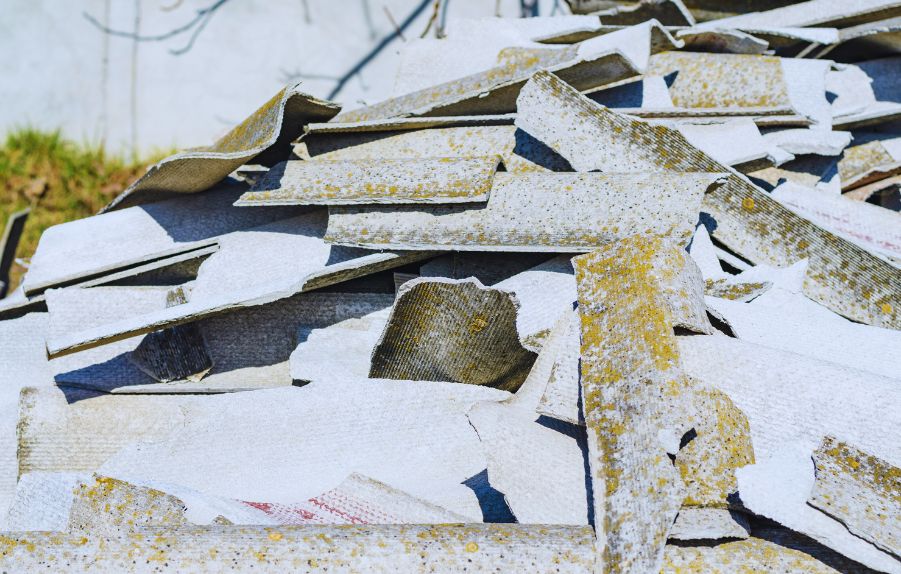
How to Dispose of Asbestos Safely in Brisbane
Asbestos is one of those words no homeowner ever wants to hear. Once used widely in Australian homes for roofing, fencing, insulation, sheeting, and floor tiles, it’s now recognised as a hazardous material that must be managed with extreme care. If you’ve recently discovered asbestos in your Brisbane property or suspect you might have it, you’re likely wondering: How do I get rid of it safely and legally?
Disposing of asbestos in Brisbane involves strict rules designed to keep people and the environment safe. This guide walks you through what you can do, what you shouldn’t do, and how to navigate asbestos disposal responsibly.
Understanding Asbestos: Why Safe Disposal Matters
Before diving into the disposal process, it’s essential to understand why asbestos requires careful handling.
Asbestos becomes dangerous when disturbed. Broken pieces, drilling, cutting, or natural deterioration can release microscopic fibres into the air. If inhaled, these fibres can remain lodged in the lungs for decades and lead to serious conditions such as:
- Asbestosis
- Mesothelioma
- Lung cancer
- Pleural disease
Because the risks are so high, Queensland has strong regulations around asbestos removal, transport, and disposal. This is especially true in Brisbane, where many homes built before 1990 are likely to contain asbestos.
Step 1: Confirm Whether You’re Dealing With Asbestos
Asbestos isn’t always easy to identify just by looking. Materials that may contain asbestos include:
- Corrugated cement roofing
- Fencing panels
- Wall sheets (e.g., “fibro” or “AC sheeting”)
- Vinyl tiles
- Eaves
- Wet-area backing boards
If your home was built or renovated before 1990, there’s a good chance asbestos might be present.
Tip:
Do not scrape, break, or disturb materials to “check” for asbestos. If you’re unsure, arrange for testing by a NATA-accredited laboratory or engage a licensed asbestos inspector.
Step 2: Know What You Can Legally Remove Yourself
In Queensland, homeowners are allowed to remove up to 10 square metres of non-friable (bonded) asbestos without a licence.
However, just because it’s legal doesn’t mean it’s safe. Even bonded asbestos can release fibres if cracked or mishandled. Many Brisbane residents choose to hire licensed asbestos removalists regardless of the size, because professionals have:
- Protective equipment
- Correct tools
- Industry training
- Certification for transport and disposal
When you must hire a licensed asbestos removalist:
- The asbestos is friable (crumbly, dusty, or easily broken)
- The area is larger than 10 m²
- The asbestos is difficult to access (e.g., roofing)
- You want guaranteed safety and compliance
Step 3: Understand Brisbane’s Legal Requirements for Disposal
Asbestos cannot go into your general rubbish bin, green waste bin, or skip bin unless the skip is specifically licensed for asbestos.
In Brisbane, asbestos waste must be:
- Double-bagged in thick (200-micron) plastic
- Clearly labelled as asbestos
- Sealed and intact, no broken or loose debris
- Delivered only to licensed asbestos disposal facilities
These facilities follow safety procedures and have designated zones for handling hazardous waste.
The Brisbane City Council also has specific protocols and may require:
- Prior notification before disposal
- Documentation for large quantities
- Approved packaging and transport methods
Regulations can change, so always check the latest guidelines before planning disposal.
Step 4: Transporting Asbestos Waste
Transporting asbestos must comply with Queensland’s transport and waste laws. This includes:
- Keeping the material sealed to prevent fibre release
- Transporting loads in a secure manner
- Ensuring the vehicle is cleaned after disposal
- Using approved waste tracking procedures for commercial or large quantities
If you hire a licensed asbestos contractor, they will handle all transportation requirements for you.
Step 5: Where to Dispose of Asbestos in Brisbane
Brisbane has several waste facilities that accept asbestos, but not all transfer stations do. Before heading out, always check:
- Whether the site accepts asbestos
- Whether bookings are required
- Disposal fees
- Arrival instructions (some facilities require asbestos to arrive at specific times or lanes)
Most facilities require packaged asbestos to be brought directly to staff upon arrival to ensure safe handling.
Step 6: Why You Should Consider Hiring a Licensed Asbestos Removalist
While small quantities of bonded asbestos can technically be handled by homeowners, the risks are significant.
Licensed asbestos removalists provide:
- Safe removal using industry-standard techniques
- Professional-grade protective equipment
- Legal compliance for both removal and disposal
- Waste tracking documentation
- Insurance coverage
- Peace of mind
In many cases, the cost of hiring a professional is minor compared to the health risks of DIY removal.
The Consequences of Incorrect Disposal
Improper disposal, such as dumping asbestos in general waste, recycling bins, or illegal dumping, is not only dangerous but also illegal.
Penalties in Queensland can include:
- Significant fines
- Site cleanup costs
- Potential prosecution
Illegal dumping also risks the health of neighbours, waste facility workers, and the environment.
Tips for Keeping Your Home Asbestos-Safe
- Do not drill or cut into unknown materials.
- Avoid DIY renovations in older homes until asbestos testing is done.
- Keep asbestos materials in good condition until they can be removed.
- Educate all household members (including tenants) on asbestos risks.
- Hire professionals if you ever feel unsure.
Final Thoughts
Disposing of asbestos safely in Brisbane isn’t complicated but it must be done correctly. Whether you’re renovating, demolishing, or simply maintaining your home, understanding your responsibilities ensures that you protect yourself, your family, and your community.
The key points to remember:
- Identify asbestos before disturbing materials
- Follow Queensland’s regulations
- Use licensed professionals whenever possible
- Dispose of asbestos only at approved Brisbane facilities
Safe asbestos handling is not a DIY project, it’s a health priority.