
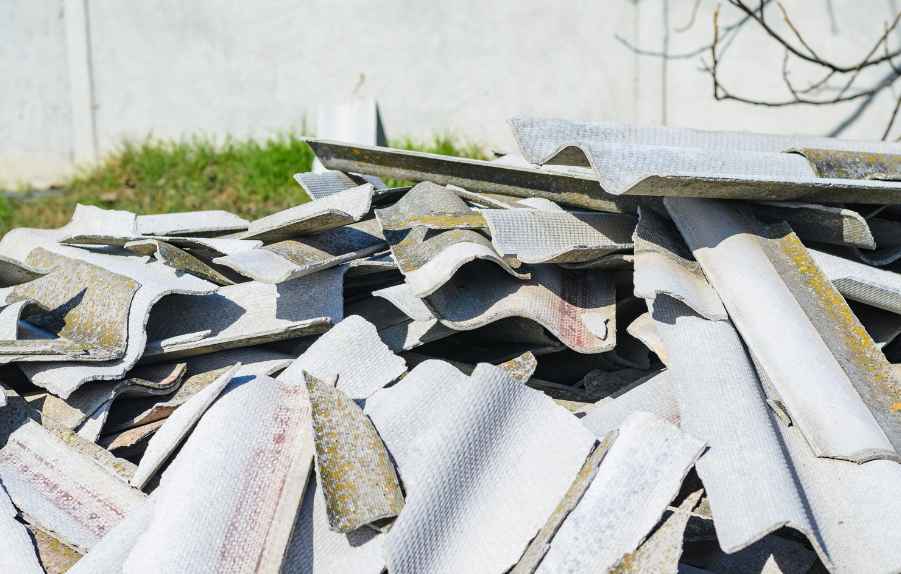
Asbestos Eaves and Fascia Removal: What Homeowners Need to Know
Many homes built in Brisbane before the late 1980s contain asbestos in external building materials, including eaves and fascia boards. While these materials are generally safe if left undisturbed and remain in good condition, they can become a serious health risk during renovations, roof replacements, or demolition. Because asbestos fibres cannot be seen with the naked eye, disturbing asbestos-containing materials without proper precautions can release hazardous fibres into the air. If you’re planning exterior building work on an older property, it’s important to determine whether your eaves or fascia contain asbestos before work begins.
In this guide, we explain what homeowners need to know about asbestos eaves and fascia removal in Brisbane, when removal is necessary, and why professional handling is essential.
Where Is Asbestos Commonly Found in Eaves and Fascia
Asbestos cement products were widely used in Australian homes because they were durable, weather-resistant, and cost-effective. As a result, many older Brisbane properties still contain asbestos in various external building components.
Common locations include:
- Eave lining sheets
- Fascia boards
- Soffits
- External ceiling panels
- Gable end linings
Although these materials often resemble modern fibre cement products, it is impossible to confirm the presence of asbestos by appearance alone. Professional asbestos testing is the safest and most reliable way to identify asbestos-containing materials.
Signs Your Home May Contain Asbestos Eaves or Fascia
If you’re unsure whether your property contains asbestos, there are a few indicators that suggest professional testing may be worthwhile.
Your home may contain asbestos if:
- It was built or renovated before the late 1980s
- The original eaves or fascia are still in place
- The external lining consists of flat cement sheets
- There is no record of previous asbestos removal
- You’re planning roofing or exterior renovation work
Even if these signs are present, only laboratory testing can confirm whether asbestos is actually present.
When Should Asbestos Eaves or Fascia Be Removed
Not all asbestos materials require immediate removal. If they remain in good condition and are unlikely to be disturbed, they can often be safely managed and monitored.
However, removal is generally recommended when:
- Replacing or repairing the roof
- Installing new gutters or fascia
- Renovating the exterior of the home
- Demolishing part of the property
- The materials are cracked, broken, or deteriorating
Removing asbestos before construction work begins helps reduce the risk of fibre release and prevents costly project delays once work is underway.
Why Professional Removal Is Important
Asbestos fibres can become airborne if eaves or fascia are drilled, cut, broken, or removed incorrectly. Once released, these fibres can remain in the air and pose serious health risks when inhaled. Professional asbestos removalists follow strict safety procedures designed to minimise exposure throughout the removal process.
This includes:
- Isolating the work area
- Wearing appropriate personal protective equipment (PPE)
- Using controlled removal methods
- Carefully packaging and labelling asbestos waste
- Transporting waste to an approved disposal facility
Using experienced professionals helps protect your family, contractors, neighbouring properties, and the surrounding environment while ensuring the work complies with Queensland regulations.
What Happens During the Removal Process
Every property is different, but asbestos eaves and fascia removal generally follows a structured process to ensure safety and compliance.
1. Inspection and Assessment
The property is first inspected to identify any suspected asbestos-containing materials. Where necessary, samples are collected and tested by an accredited laboratory to confirm the presence of asbestos before removal begins.
2. Safe Removal and Packaging
Once asbestos has been confirmed, the affected materials are carefully removed using techniques that minimise fibre release. The materials are then sealed, double-wrapped, labelled correctly, and prepared for transport.
3. Approved Disposal and Site Clean-Up
All asbestos waste is transported to a licensed disposal facility in accordance with Queensland regulations. Once removal is complete, the work area is thoroughly cleaned to remove any remaining debris and prepare the site for the next stage of construction or renovation.
Choosing the Right Asbestos Removal Company
Choosing an experienced asbestos removal company is essential for ensuring the work is completed safely and efficiently.
When comparing providers, look for:
- Experienced asbestos removal specialists
- Safe removal procedures
- Professional asbestos testing services
- Compliant waste transport and disposal
- Knowledge of Queensland asbestos regulations
- Clear communication and reliable service
A qualified contractor will guide you through the entire process, from initial inspection through to final disposal, giving you confidence that the work has been completed correctly.
Final Thoughts
Asbestos eaves and fascia are still found in many older Brisbane homes and should never be disturbed without proper assessment. Whether you’re replacing a roof, renovating your home’s exterior, or preparing for demolition, identifying asbestos before work begins is essential for protecting your health and avoiding costly project delays. Professional asbestos testing and removal ensure hazardous materials are managed safely, disposed of correctly, and handled in accordance with Queensland regulations. Taking the right approach at the beginning of your project provides peace of mind and allows your renovation to proceed safely and efficiently.
Our experienced team provides professional asbestos inspection, testing, removal, transport, and compliant disposal services throughout Brisbane. Whether you’re replacing a roof, renovating your home, or preparing for demolition, we can safely remove asbestos eaves and fascia while ensuring all work meets Queensland safety requirements. Contact us today for expert advice and a competitive quote for asbestos eaves and fascia removal in Brisbane.