
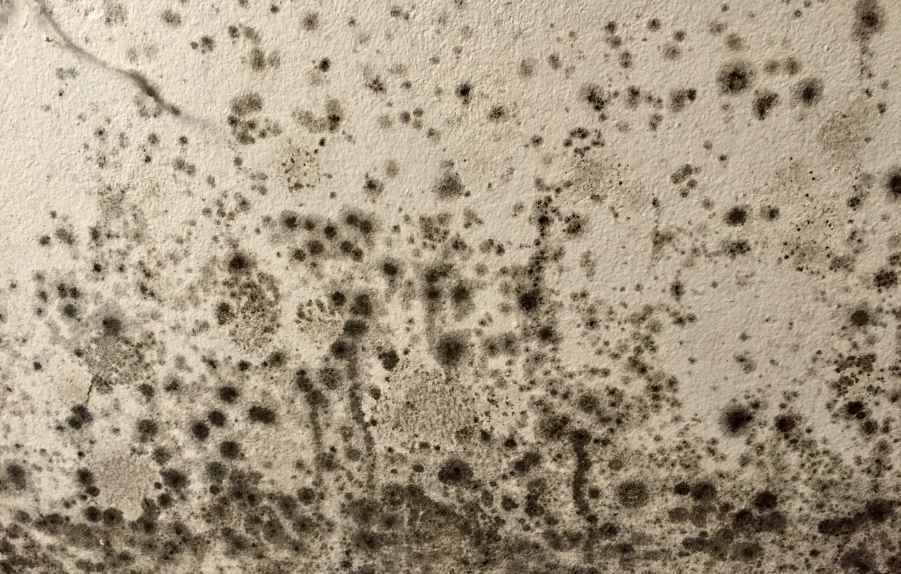
Signs of Hidden Mould in Your Brisbane Home or Workplace
Mould is relatively common in Brisbane, where warm temperatures and periods of high humidity can create favourable conditions for mould growth. While visible mould is usually easy to identify, hidden mould can be much harder to detect. Mould can develop behind walls, underneath flooring, inside ceilings, around air-conditioning systems and in other areas where moisture is present but not immediately visible. Knowing the warning signs can help homeowners, landlords and businesses investigate potential mould problems before they become more extensive.
A Musty or Damp Smell
One of the most common signs of hidden mould is a persistent musty or damp smell. You may notice an earthy or stale odour even though there is no obvious mould visible around the property. The smell can sometimes become stronger when a room is closed for an extended period or when humidity levels increase. A persistent musty smell does not automatically mean mould is present, but it can indicate that there is moisture or microbial growth somewhere that should be investigated.
Mould Keeps Returning
If you regularly clean mould from the same area only for it to return, there may be an underlying moisture problem. Cleaning the visible mould may temporarily improve the appearance, but it does not necessarily address the reason it developed.
Possible causes include:
- Leaking plumbing
- Roof leaks
- Condensation
- Poor ventilation
- Water ingress
- Damp building materials
- Air-conditioning condensation
If mould repeatedly appears in the same location, identifying and addressing the moisture source is an important part of resolving the problem.
Water Stains on Walls or Ceilings
Brown, yellow or dark patches on walls and ceilings can indicate previous or ongoing moisture damage. A water stain does not necessarily mean mould is present, but damp building materials can create conditions where mould may develop. Pay particular attention to stains around:
- Ceilings
- Windows
- Bathrooms
- Air-conditioning units
- Plumbing fixtures
- Roof areas
- External walls
If a stain appears after heavy rain or continues to expand, the source of the moisture should be investigated.
Peeling Paint or Wallpaper
Paint that is bubbling, blistering or peeling can sometimes indicate moisture behind the surface. Similarly, wallpaper that is lifting or becoming discoloured may indicate that the material underneath has been exposed to moisture. While these signs can have several causes, persistent moisture increases the likelihood of mould developing behind or underneath the affected material.
Damp or Soft Building Materials
Walls, skirting boards, flooring and other building materials can change condition when exposed to prolonged moisture.
You may notice:
- Soft plasterboard
- Swollen skirting boards
- Warped flooring
- Damp carpet
- Crumbling materials
- Discolouration
These signs should not automatically be attributed to mould, but they can indicate a moisture problem that requires further investigation.
Mould Around Air Conditioning
Air-conditioning systems can contribute to moisture problems if condensation is not being managed correctly. Mould may develop around air-conditioning vents, ducts, drain lines or nearby surfaces where condensation occurs. If there is a persistent musty smell when the air conditioner is operating, or visible mould around vents and surrounding surfaces, the system and affected area may need to be inspected. Commercial workplaces should pay particular attention to air-conditioning systems because they can affect large occupied areas.
Mould Behind Furniture
Large furniture items positioned against walls can restrict airflow. In humid environments, condensation and poor ventilation behind wardrobes, cabinets and other furniture can create conditions suitable for mould growth. Moving furniture occasionally and checking the wall behind it can help identify problems early. This is particularly important against external walls or in rooms with limited ventilation.
Increased Humidity and Condensation
Brisbane’s climate can contribute to indoor humidity, particularly during warmer and wetter periods. Regular condensation on windows, walls or other surfaces may indicate that indoor moisture levels are too high. Potential sources include:
- Showers
- Cooking
- Clothes drying indoors
- Poor ventilation
- Leaking pipes
- Air-conditioning systems
- Water entering the building
Humidity alone does not prove that mould is present, but persistent moisture can create favourable conditions for mould growth.
Unexplained Damage in One Area
If one part of a building consistently develops staining, odours, dampness or deterioration while surrounding areas remain unaffected, there may be a localised moisture source. For example, a wall beside a bathroom or plumbing line could be affected by a hidden leak. Similarly, damage near a window could indicate water penetration from outside. Finding the source of the moisture is often more useful than simply treating the visible symptoms.
Can Hidden Mould Affect Indoor Air Quality
Mould can release spores and other particles into indoor air. The potential impact depends on factors including the type and extent of growth, the building environment and individual sensitivity. People may notice symptoms such as irritation or allergic-type reactions when exposed to mould, although these symptoms can have many possible causes. If occupants consistently experience problems in a particular building or room, it may be worth investigating the indoor environment, especially if there are also visible signs of dampness or mould.
Where Is Hidden Mould Commonly Found
Hidden mould can develop in areas that are difficult to see or access, including:
- Behind plasterboard
- Under carpets
- Beneath flooring
- Inside wall cavities
- Behind cabinets
- Around leaking pipes
- Above ceilings
- Around air-conditioning systems
- Inside damp insulation
- Behind wallpaper
The presence of hidden mould cannot always be confirmed without further investigation.
What Should You Do If You Suspect Hidden Mould
If you suspect mould is hidden within your Brisbane property, start by looking for the source of moisture. Check for obvious leaks, condensation, water stains and ventilation problems. Avoid unnecessarily disturbing materials that may contain mould. If significant mould growth or water damage is suspected, professional assessment may be appropriate. For larger areas of mould, contaminated building materials or suspected hidden growth, a professional can help determine the extent of the issue and the appropriate remediation approach.
Preventing Hidden Mould
The best way to reduce mould risk is to control moisture. Practical steps include:
- Repairing leaks promptly
- Improving ventilation
- Using bathroom exhaust fans
- Managing indoor humidity
- Addressing condensation
- Maintaining air-conditioning systems
- Drying water-damaged materials quickly
- Keeping gutters and drainage systems maintained
- Investigating recurring damp areas
Preventing moisture problems can significantly reduce the conditions that allow mould to grow.
Final Thoughts
Hidden mould isn’t always obvious. A musty smell, recurring mould, water stains, peeling paint, damp materials and persistent condensation can all indicate an underlying moisture problem. Brisbane’s warm and humid conditions make moisture management particularly important for both homes and workplaces. If mould keeps returning or you suspect growth behind walls, ceilings or other concealed areas, don’t simply continue cleaning the visible surface. Identifying and addressing the underlying moisture problem is an important part of managing mould effectively.
If your Brisbane property has hidden mould, water damage or deteriorating building materials, it is also important to consider what those materials may contain before disturbing them. Older properties may contain asbestos in areas such as wall sheeting, ceilings, eaves, flooring and other building materials. Pro Asbestos Disposal helps homeowners, builders, property managers and businesses across Brisbane with asbestos testing, assessment, licensed removal and compliant disposal. If you suspect asbestos may be present, avoid cutting, drilling, breaking or removing the material yourself. Contact us with your location, details of the affected area and photos where available, and we’ll help determine the appropriate next step.