
How We Safely Remove Asbestos from Queensland Homes
Asbestos remains one of the most significant health concerns in older Australian properties, particularly in Queensland, where thousands of homes built before the mid-1980s still contain asbestos materials. For homeowners, the thought of asbestos can be worrying. However, when handled by licensed professionals using the correct procedures, asbestos removal can be completed safely, efficiently, and with minimal disruption.
In this comprehensive blog, we’ll walk you through how professional asbestos removal is carried out in Queensland, what homeowners can expect, and why expert handling is essential for protecting your family, your property, and the environment.
Understanding the Asbestos Risk in Queensland
For decades, asbestos was widely used in building materials due to its durability, fire resistance, and affordability. It was especially common in:
- Roofing and wall sheeting (fibro)
- Eaves and soffits
- Fencing panels
- Bathroom and laundry linings
- Vinyl floor tiles and adhesives
- Insulation and backing boards
Although asbestos is harmless when intact and undisturbed, it becomes dangerous when fibres are released into the air. When inhaled, asbestos fibres can lead to serious health conditions, including mesothelioma, asbestosis, and lung cancer.
Because of these risks, Queensland regulations require licensed asbestos professionals to manage most removal jobs. This ensures the process follows strict safety protocols from start to finish.
Our Professional Process for Safe Asbestos Removal
Below is an in-depth look at how licensed Queensland asbestos removalists safely manage the process, without providing unsafe, DIY instructions.
1. Initial Property Inspection and Testing
Our process begins with a thorough inspection by a licensed asbestos assessor. Since asbestos cannot be identified by sight alone, samples are collected and sent to a NATA-accredited laboratory for testing.
During this stage, we identify:
- The type of asbestos present (bonded or friable)
- The condition of the material
- Locations and quantities
- Potential risks to occupants
This assessment forms the basis of a detailed removal plan.
2. Creating a Removal Management Plan
Before any work begins, a formal Asbestos Removal Control Plan (ARCP) is developed. This plan outlines:
- How the removal area will be secured
- The safety equipment required
- The method of containment
- Air monitoring procedures
- Waste disposal arrangements
- Emergency procedures
Homeowners are kept fully informed about the timeline and expectations.
3. Setting Up Safety Containment Zones
Containing asbestos is one of the most important steps. Professional teams establish a controlled environment that may include:
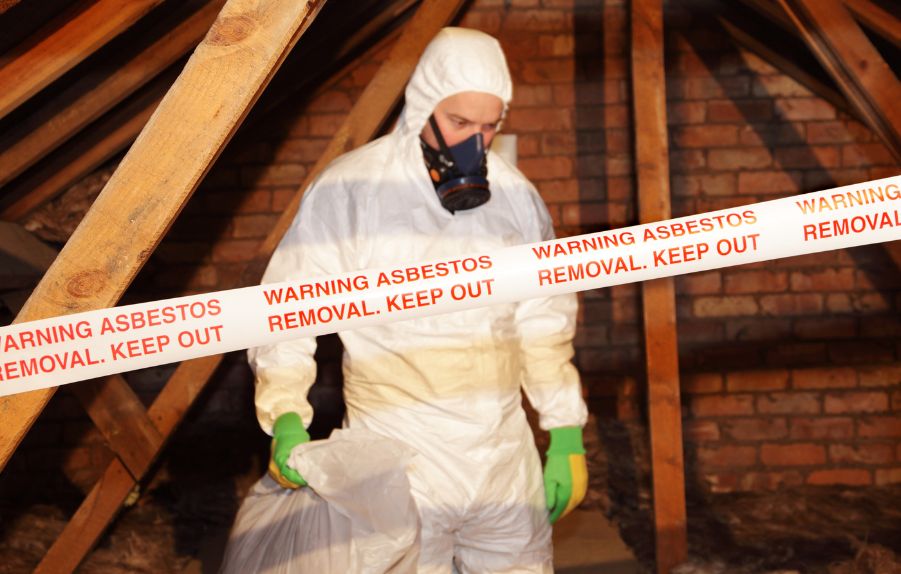
- Warning signage and barriers around the work area
- Air-tight containment for friable asbestos removal
- Industrial extraction units with HEPA filters
- Fully equipped decontamination units for workers
These measures ensure asbestos fibres cannot escape into the surrounding areas of the home or neighbourhood.
4. Using Proper Protective Gear and Equipment
Only licensed professionals are permitted to handle asbestos because they use approved safety equipment, such as:
- Respiratory protection with certified filters
- Protective disposable suits
- Gloves and eyewear
- Specialised tools designed to minimise disturbance
Every step prioritises safety and compliance with Queensland Work Health and Safety (WHS) regulations.
5. Controlled Removal of Asbestos Materials
Unlike DIY removal, which is unsafe and often illegal, professional asbestos removal uses methods designed to:
- Keep the asbestos material intact as much as possible
- Minimise dust generation
- Prevent airborne fibre release
Removal techniques are chosen to match the material, location, and risk level. Throughout the process, air quality is carefully monitored.
6. Cleaning and Decontamination
Once the asbestos materials are removed, the area is thoroughly cleaned using approved methods. This often includes:
- HEPA-filtered vacuum systems
- Wet wiping of surfaces
- Detailed inspections by licensed assessors
All contaminated personal protective equipment and materials are safely contained and disposed of according to state guidelines.
7. Safe Transportation and Disposal
Asbestos waste must never be placed in general rubbish. Queensland regulations require:
- Double-wrapped, sealed disposal bags
- Clearly labelled asbestos waste
- Transport via licensed carriers
- Disposal only at approved waste facilities
We maintain a complete chain-of-custody record for full compliance and homeowner peace of mind.
8. Final Clearance and Documentation
After removal and cleaning, an independent licensed asbestos assessor conducts a final clearance inspection. Once the area is confirmed safe, the assessor issues a:
✔️ Clearance Certificate
This certifies:
- The area is free from asbestos contamination
- The site is safe for reoccupation
- All removal was conducted according to Queensland regulations
Homeowners receive this certificate along with a summary of all work coleted.
Why Professional Asbestos Removal Matters
Choosing licensed experts ensures:
Health Protection: Prevents fibre exposure that can cause lifelong health issues.
Legal Compliance: Queensland has strict asbestos-related laws. Professional removal ensures full compliance with WHS regulations.
Proper Equipment & Training: Certified removalists are trained to handle asbestos safely, minimising risks.
Waste Disposal Assurance: All asbestos is handled and transported according to environmental laws.
Peace of Mind: You can trust that your home is safe for your family once removal is completed properly.
Final Thoughts: Safety Starts with the Right Expertise
Asbestos is a serious matter, but with licensed professionals, the removal process is safe, well-regulated, and highly effective. From inspection to disposal and final clearance, each step is designed to protect your health and restore your home’s safety.
If your home was built before 1990 or you suspect asbestos might be present, always contact a licensed asbestos removalist in Brisbane. Never attempt removal yourself, your health and safety depend on proper handling.