
Asbestos in the Workplace: Employer Obligations Under QLD WHS Law
Asbestos remains one of the most significant workplace health risks in Australia, particularly in buildings constructed before 1990. Although the use of asbestos has been banned, many commercial, industrial, and public buildings throughout Queensland still contain asbestos-containing materials (ACMs). When these materials are disturbed during maintenance, renovations, or demolition, hazardous asbestos fibres can be released into the air.
Under Queensland’s Work Health and Safety (WHS) legislation, employers and persons conducting a business or undertaking (PCBUs) have legal obligations to identify, manage, and, where necessary, remove asbestos safely. Failing to meet these obligations can place workers and the public at risk while exposing businesses to significant penalties. In this guide, we explain what employers need to know about managing asbestos in the workplace and complying with Queensland WHS laws.
Why Asbestos Is Still a Workplace Risk
Although asbestos was widely used in Australian construction for decades, it is now recognised as a serious health hazard. Many workplaces built before the late 1980s may still contain asbestos in materials such as:
- Roofing sheets
- Wall and ceiling linings
- Vinyl floor tiles
- Pipe insulation
- Eaves and soffits
- Electrical backing boards
- Cement fencing
These materials are generally considered low risk if they remain in good condition and are left undisturbed. However, cutting, drilling, sanding, demolishing, or damaging asbestos-containing materials can release microscopic fibres that may be inhaled. For this reason, employers must ensure asbestos risks are identified before any work that could disturb these materials begins.
Employer Responsibilities Under Queensland WHS Law
Queensland’s WHS legislation requires employers and PCBUs to eliminate or minimise health and safety risks, including those associated with asbestos.
Key responsibilities include:
- Identifying asbestos or suspected asbestos-containing materials
- Assessing the risks to workers and other occupants
- Maintaining an asbestos register where required
- Ensuring asbestos is safely managed or removed
- Providing workers with relevant asbestos information
- Engaging licensed asbestos removalists where required
Meeting these obligations helps create a safer workplace while ensuring compliance with Queensland legislation.
Identify Asbestos Before Work Begins
One of the most important responsibilities is identifying whether asbestos is present before maintenance, refurbishment, or demolition work starts. Professional asbestos inspections can help determine whether asbestos-containing materials are present within the building. Where required, samples are safely collected and analysed by an accredited laboratory.
Early identification allows employers to:
- Plan work safely
- Avoid unexpected project delays
- Protect workers and contractors
- Meet legal obligations
Testing before work begins is often far less costly than dealing with asbestos after construction has already started.
Maintain an Asbestos Register
Many Queensland workplaces constructed before 31 December 2003 are required to maintain an asbestos register if asbestos has been identified or is likely to be present.
An asbestos register typically includes:
- The location of asbestos-containing materials
- The type and condition of the materials
- Dates of inspections or updates
- Areas confirmed to be asbestos-free, where applicable
The register should be readily available to workers, contractors, and anyone carrying out maintenance or construction work on the property. Keeping the register up to date helps ensure asbestos risks are properly managed over time.
Ensure Safe Removal and Disposal
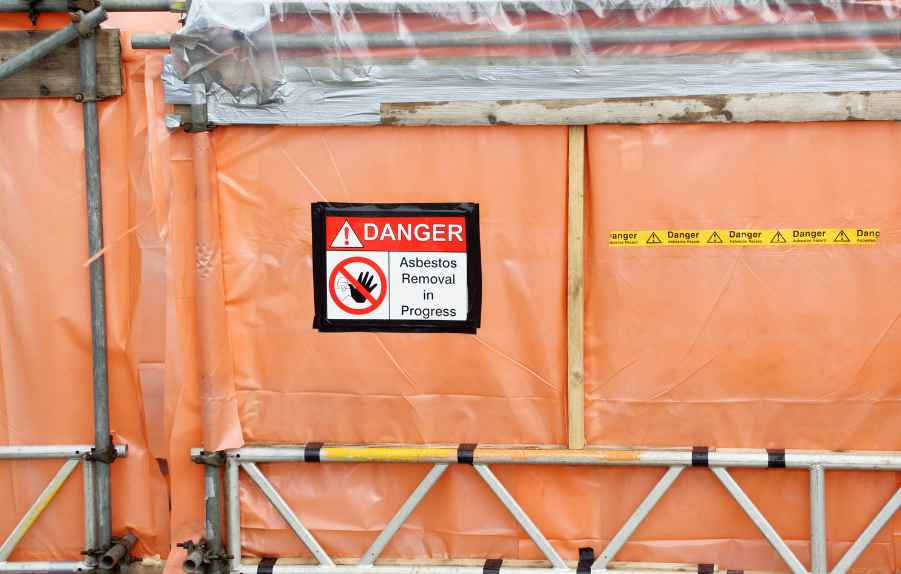
If asbestos must be removed, employers should ensure the work is carried out safely and in accordance with Queensland regulations.
Professional asbestos removal generally includes:
- Isolating the work area
- Using approved removal methods
- Wearing appropriate personal protective equipment (PPE)
- Packaging and labelling asbestos waste
- Transporting waste to a licensed disposal facility
Using experienced asbestos professionals helps minimise the risk of fibre release and ensures legal compliance throughout the removal process.
Protect Workers and Contractors
Anyone working on a property that contains asbestos should be informed of its location before work begins.
This is particularly important for:
- Maintenance workers
- Electricians
- Plumbers
- Air conditioning technicians
- Builders
- Demolition contractors
Providing access to the asbestos register and communicating known risks helps workers plan their tasks safely and avoid disturbing asbestos-containing materials.
Why Professional Asbestos Management Matters
Managing asbestos involves much more than removing hazardous materials. Professional asbestos specialists can assist with:
- Workplace asbestos inspections
- Asbestos testing and laboratory analysis
- Asbestos registers
- Risk assessments
- Safe asbestos removal
- Transport and compliant disposal
Working with experienced professionals helps employers meet their legal obligations while protecting workers, visitors, and the surrounding community.
Final Thoughts
Asbestos continues to be a workplace risk in many older Queensland buildings, making effective asbestos management an important responsibility for employers. Identifying asbestos before maintenance or renovation work, maintaining an asbestos register where required, and ensuring safe removal when necessary all help reduce health risks and support compliance with Queensland WHS laws. By taking a proactive approach, employers can create safer workplaces, avoid costly project delays, and meet their legal obligations with confidence.
Our experienced team provides professional workplace asbestos inspections, testing, asbestos registers, licensed asbestos removal, transport, and compliant disposal services throughout Brisbane and South East Queensland. Whether you’re managing a commercial building, factory, warehouse, office, or industrial site, we can help you meet your WHS obligations safely and efficiently. Contact us today for expert advice and a competitive quote for workplace asbestos services in Brisbane.