
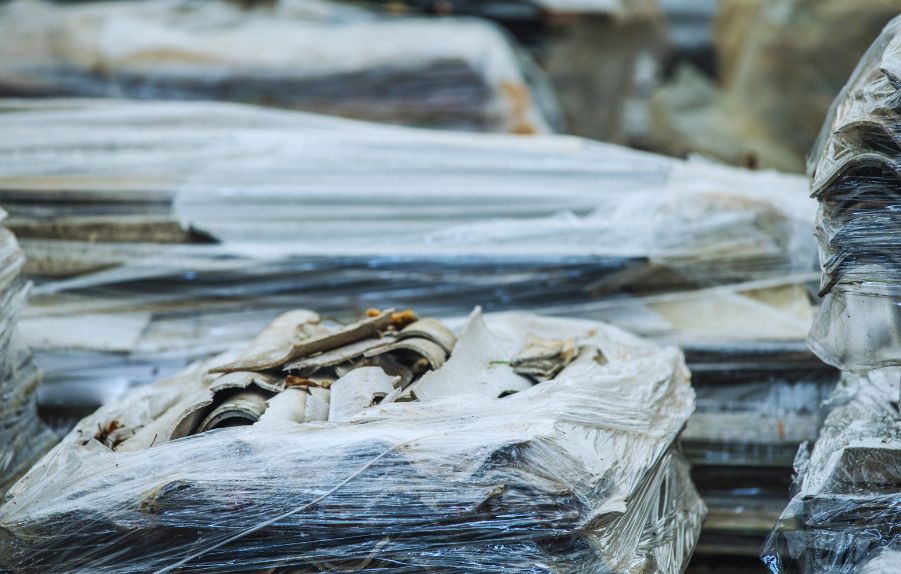
What is the Best Way to Dispose of Asbestos
Asbestos was widely used in Australian construction for decades due to its durability and heat resistance. However, it is now known to pose serious health risks, including diseases such as asbestosis and mesothelioma. Because of these risks, safe and legal asbestos disposal is essential for homeowners, renovators, and businesses.
Understanding the best way to dispose of asbestos ensures compliance with Australian regulations while protecting both people and the environment.
Why Proper Asbestos Disposal is Critical
Asbestos becomes dangerous when its fibres are disturbed and released into the air. Once inhaled, these microscopic fibres can remain in the lungs for years, leading to severe health conditions.
Improper disposal can also contaminate surrounding areas, putting others at risk and resulting in significant legal penalties. This is why strict guidelines are in place across Australia to regulate the handling, removal, and disposal of asbestos-containing materials (ACMs).
Types of Asbestos Materials
Before disposal, it’s important to understand the type of asbestos involved, as this determines how it must be handled.
- Friable asbestos is loose and easily crumbled, making it highly dangerous because fibres can become airborne quickly.
- Non-friable (bonded) asbestos is more stable and commonly found in materials such as cement sheets, roofing, and tiles.
- Damaged or deteriorating asbestos materials are more hazardous and require immediate professional attention.
Correct identification is essential, as different types of asbestos are subject to different handling and removal requirements under Australian law.
Legal Requirements for Asbestos Disposal in Australia
Asbestos disposal is strictly regulated to ensure safety and environmental protection.
- Only licensed asbestos removalists are permitted to remove certain types of asbestos, particularly friable materials.
- Asbestos waste must be transported and disposed of at approved waste facilities.
- Materials must be properly sealed, labelled, and handled to prevent fibre release.
- Illegal dumping or unsafe handling can result in heavy fines and legal action.
Following these regulations is essential to protect both individuals and the broader community.
The Best Way to Dispose of Asbestos
The safest and most effective way to dispose of asbestos involves a structured and compliant process.
1. Hire a Licensed Asbestos Removalist
Engaging a licensed professional is the safest option for asbestos removal and disposal.
- Professionals are trained to handle asbestos safely and minimise fibre release.
- They use specialised equipment and protective gear during removal.
- Licensed removalists ensure all work complies with Australian safety standards and regulations.
Hiring experts not only reduces health risks but also ensures the entire process is handled legally and efficiently.
2. Safe Removal and Handling Procedures
Proper handling is essential to prevent asbestos fibres from becoming airborne.
- Materials must be kept wet during removal to reduce dust.
- Asbestos should never be cut, drilled, or broken unnecessarily.
- Work areas must be isolated to prevent contamination of surrounding spaces.
Strict adherence to safe removal procedures significantly reduces exposure risks.
3. Secure Packaging and Labelling
Once removed, asbestos materials must be packaged correctly before transport.
- Waste should be double-wrapped in heavy-duty plastic or placed in sealed containers.
- Clearly labelled packaging ensures safe handling during transport and disposal.
- Proper sealing prevents fibres from escaping into the environment.
Packaging is a critical step in maintaining safety throughout the disposal process.
4. Transport to Approved Disposal Facilities
Asbestos waste must only be taken to authorised disposal sites.
- Licensed facilities are equipped to safely manage hazardous materials.
- Transport must comply with local regulations to prevent contamination.
- Disposal at unauthorised sites is illegal and environmentally harmful.
Using approved facilities ensures asbestos is handled responsibly and safely contained.
Common Mistakes to Avoid
Many risks associated with asbestos come from improper handling and disposal. Avoiding common mistakes is essential for safety and compliance.
- Attempting DIY removal without proper knowledge or licensing.
- Breaking or damaging asbestos materials during handling.
- Disposing of asbestos in regular waste bins or landfill sites not approved for hazardous materials.
- Failing to use proper protective equipment.
Avoiding these mistakes can prevent serious health hazards and legal consequences.
Environmental and Safety Considerations
Responsible asbestos disposal is not just about compliance, it also protects the environment and community.
- Prevents contamination of soil, air, and water sources.
- Reduces long-term health risks for workers and nearby residents.
- Supports safe waste management practices across Australia.
By following proper disposal methods, you contribute to a safer and healthier environment.
When Should You Call a Professional
In many situations, professional help is not just recommended, it is necessary.
- When dealing with friable or damaged asbestos materials.
- During renovations or demolition of older properties.
- When the extent of asbestos contamination is unknown.
Licensed professionals can assess the situation, provide guidance, and carry out safe removal and disposal with minimal risk.
Final Thoughts
The best way to dispose of asbestos is to follow a safe, legal, and professional approach. Proper identification, careful handling, secure packaging, and disposal at approved facilities are all essential steps in the process. By complying with Australian regulations and working with licensed asbestos removalists, you can protect your health, avoid legal issues, and ensure environmentally responsible disposal.
If you suspect asbestos on your property, contact us in Brisbane today for safe, compliant, and reliable asbestos removal and disposal services.