
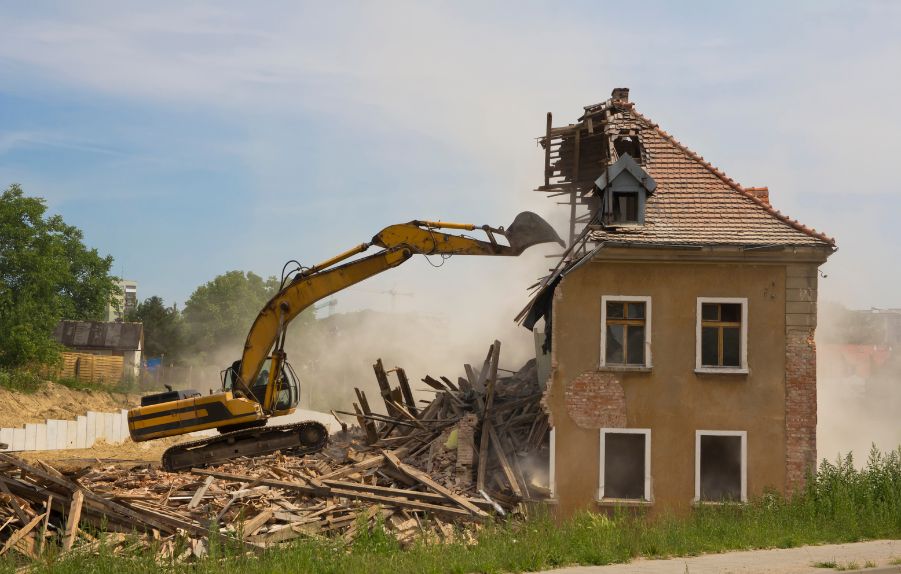
Asbestos Disposal After A House Demolition in Brisbane
House demolition projects often uncover hidden hazards, and asbestos is one of the most serious. Commonly used in older Australian homes, asbestos-containing materials can be found in roofing, walls, flooring, insulation, and external cladding. When these materials are disturbed during demolition, they can release harmful fibres into the air, posing significant health risks.
Because of this, asbestos disposal after house demolition in Brisbane must be handled carefully and in full compliance with safety regulations. In this guide, we explain how the process works, what legal requirements apply, and how to ensure safe and efficient disposal.
Why Asbestos Disposal Is Critical After Demolition
Asbestos becomes dangerous when its fibres are released into the air and inhaled. During demolition, materials are broken, cut, and disturbed, which significantly increases the risk of airborne contamination.
Therefore, proper asbestos disposal is essential because it helps:
- Protect workers and nearby residents from exposure
- Prevent environmental contamination
- Ensure compliance with Queensland safety regulations
- Avoid fines and legal penalties
- Keep the demolition site safe and controlled
In contrast, ignoring proper procedures can lead to serious health risks and costly consequences.
Common Asbestos Materials Found in Demolition Projects
Many homes built before the 1990s in Australia contain asbestos in various forms. As demolition begins, these materials are often discovered in different parts of the property.
Typically, common asbestos-containing materials include:
- Roof sheeting and wall cladding
- Vinyl floor tiles and adhesives
- Eaves, soffits, and ceilings
- Fencing and external panels
- Insulation and pipe lagging
Because asbestos is not always visible, it is strongly recommended that a professional inspection is carried out before demolition begins.
Legal Requirements for Asbestos Disposal in Brisbane
Asbestos disposal in Brisbane is strictly regulated to ensure safe handling and environmental protection. Accordingly, property owners, contractors, and demolition companies must follow approved guidelines at all times.
Key requirements include:
- Asbestos must be removed by licensed professionals (for larger quantities)
- Materials must be properly packaged and labelled
- Waste must be transported by approved carriers
- Disposal must occur at licensed facilities
- Safety procedures must comply with workplace regulations
If these requirements are not met, serious penalties and project delays may occur.
Step-by-Step Asbestos Disposal Process
After a house demolition, asbestos waste must go through a controlled process to ensure safety and compliance. Each stage is important and must be completed correctly.
1. Inspection and Identification
Firstly, a licensed professional inspects the property to identify asbestos-containing materials. In some cases, samples are also collected and tested in a laboratory to confirm the presence of asbestos.
This step is important because it determines how the material will be handled. In addition, it helps prevent accidental exposure during demolition work and ensures the correct safety measures are applied from the beginning.
2. Safe Removal
Once asbestos is identified, it must be carefully removed using approved methods. Licensed removalists use specialised equipment and protective gear to minimise fibre release.
During this stage, controlled handling techniques are used, and water suppression methods are often applied to reduce dust. As a result, the risk of fibre spread to surrounding areas is significantly reduced, protecting both workers and the environment.
3. Packaging and Sealing
After removal, asbestos waste must be securely packaged before transport. This step is essential because improper packaging can lead to fibre release.
Proper packaging includes:
- Double-wrapping in heavy-duty plastic
- Sealing with approved tape
- Clearly labelling as asbestos waste
- Ensuring no tears or openings in packaging
If packaging is not done correctly, it may delay disposal and create serious safety hazards.
4. Transport to Approved Facilities
Next, asbestos waste cannot be disposed of with general construction waste. Instead, it must be transported to licensed disposal facilities that are equipped to handle hazardous materials.
Only approved transport providers should carry out this step. Furthermore, proper documentation must accompany the load to ensure traceability and regulatory compliance throughout the process.
5. Disposal and Site Clearance
Finally, at the disposal facility, asbestos waste is handled according to strict environmental guidelines. Once disposal is complete, the site may undergo clearance checks.
In many cases, air monitoring or visual inspections are conducted to confirm safety. This final step ensures that no hazardous fibres remain and that the site is safe for future construction or use.
Risks of Improper Asbestos Disposal
Failing to handle asbestos correctly can lead to serious consequences for both health and legal compliance.
Key risks include:
- Airborne fibre contamination
- Long-term respiratory diseases
- Environmental pollution
- Legal penalties and fines
- Project delays and increased costs
Therefore, professional handling is always strongly recommended to avoid these risks.
Tips for Safe Asbestos Disposal After Demolition
To ensure a smooth and compliant process, asbestos disposal must be carefully planned.
- Arrange an Inspection Before Demolition: Early identification helps avoid delays and ensures proper planning.
- Use Licensed Professionals: This ensures safe handling and compliance with regulations.
- Follow Proper Packaging Guidelines: Correct sealing prevents fibre release during transport.
- Choose Approved Disposal Services: This ensures legal and safe waste handling in Brisbane.
- Plan Ahead: Early scheduling helps keep demolition projects on track without disruptions.
Final Thoughts
Asbestos disposal after house demolition in Brisbane is a critical process that requires careful handling, proper planning, and strict compliance. From inspection and removal to packaging and final disposal, every step plays an important role in ensuring safety and environmental protection. By working with experienced professionals and following correct procedures, you can significantly reduce risks, avoid costly delays, and ensure a smooth demolition process.
If you need reliable asbestos disposal services in Brisbane, contact our team today for safe, compliant, and efficient waste removal solutions tailored to your project needs.