
Why Disturbed Asbestos Is More Dangerous Than You Think?
Asbestos was commonly used in Australian homes and buildings until the late 1980s for its durability, fire resistance, and insulating properties. While intact asbestos is generally low-risk, when disturbed, asbestos can release microscopic fibres into the air, which pose significant health threats. These fibres can cause serious respiratory diseases, some of which can take years or even decades to show symptoms.
This guide explains why disturbed asbestos is particularly dangerous, its impact on health, and the steps you can take to manage it safely in your home or workplace.
Why Disturbed Asbestos Is So Dangerous
1. Invisible, Inhalable Fibres
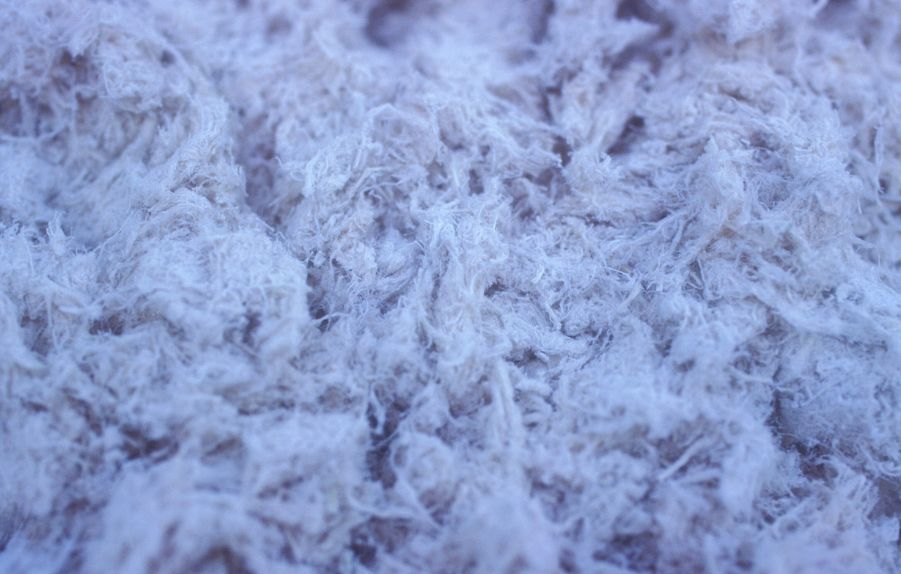
One of the biggest dangers of disturbed asbestos is that the fibres are microscopic and invisible to the naked eye. When disturbed, these fibres can easily become airborne and inhaled, where they become trapped in the lungs. The body has a difficult time expelling asbestos fibres, which increases the risk of long-term damage.
- Airborne: Once released into the air, asbestos fibres can remain suspended for hours, increasing exposure chances.
- Inhaled: These fibres, once inhaled, can travel deep into the lungs, leading to lung scarring and eventually respiratory diseases.
Even small amounts of exposure to disturbed asbestos can cause significant health risks, which is why it’s important to recognise the dangers as soon as possible.
2. Long-Term Health Risks
The serious health consequences of disturbed asbestos often don’t show up immediately. Many diseases associated with asbestos exposure, such as mesothelioma, asbestosis, and lung cancer, have a long latency period. This means the effects may not become apparent for decades after the exposure.
- Mesothelioma: A rare and aggressive cancer of the lining of the lungs, abdomen, or heart. It is almost exclusively caused by asbestos exposure.
- Asbestosis: A progressive lung disease that causes scarring of lung tissue, making it difficult to breathe.
- Lung Cancer: Repeated exposure to asbestos can significantly increase the risk of developing lung cancer, especially for smokers.
- Pleural Disease: Thickening or fluid accumulation around the lungs, reducing their capacity to expand and function.
3. Friability Increases Risk
Asbestos is classified into two categories: friable and non-friable. The risk posed by friable asbestos is much higher than non-friable types.
- Friable Asbestos: This type can be easily broken into fine dust or fibres, releasing them into the air. Materials such as insulation, roofing, and fireproofing are often friable and more prone to disturbing when exposed to the elements.
- Non-Friable Asbestos: Materials like asbestos cement are harder to break apart and pose less of a risk unless they are physically disturbed.
Older, deteriorating buildings are often the most dangerous as they may contain friable asbestos that releases harmful fibres without direct handling.
4. Passive Exposure Risks
It’s not just those directly handling or disturbing the material who are at risk. Airborne asbestos fibres can travel long distances and be inhaled by people far from the source of disturbance. For example:
- Neighbouring renovations: If your neighbour is undergoing a demolition or renovation, asbestos fibres from their property can travel through air ducts or even outdoors, putting you at risk.
- Shared walls: In buildings with shared walls, such as apartments, asbestos fibres can spread between properties, affecting multiple households.
The ability of asbestos fibres to travel large distances makes it particularly dangerous in urban areas where multiple properties are clustered together.
5. Dangers from Everyday Activities
Many people assume that asbestos risks are only relevant during major construction work. However, common household tasks or even regular maintenance can disturb asbestos-containing materials.
- Gardening: Digging in the soil near old asbestos-contaminated structures, such as fences or foundations, can expose hidden asbestos materials.
- Home maintenance: Simple tasks like replacing roof tiles, repairing guttering, or drilling into fibro can disturb asbestos materials and release fibres.
- Pressure washing: Cleaning the exterior of older homes, particularly fibro or asbestos cement surfaces, can aerosolize fibres if not done correctly.
These seemingly routine activities can easily release harmful fibres into the air if asbestos is present, endangering the health of those living or working nearby.
Steps to Protect Yourself from Disturbed Asbestos
1. Identification and Testing
Before undertaking any home renovation or maintenance work in buildings constructed before 1990, it’s essential to:
- Inspect the property: Conduct visual inspections of walls, roofing, ceilings, and floors for materials that might contain asbestos.
- Get professional testing: Always confirm the presence of asbestos with accredited testing services. Do not disturb any material suspected to contain asbestos before proper testing.
2. Safe Removal and Containment
Handling and removal of asbestos should always be left to professionals. If you need to remove asbestos, follow these steps:
- Hire licensed removalists: Only licensed and qualified asbestos removalists should handle the removal process.
- Use PPE: Personal protective equipment (PPE), including respirators, gloves, and disposable coveralls, is crucial for safe removal and protection from airborne fibres.
- Wet materials: Wetting asbestos materials helps prevent fibres from becoming airborne during removal.
3. Preventive Measures for Homeowners and Tradespeople
There are several things homeowners and tradespeople can do to avoid disturbing asbestos:
- Do not sand, cut, or drill: Avoid sanding, cutting, or drilling into any materials that may contain asbestos without professional guidance.
- Keep children and pets away: Restrict access to areas that may contain asbestos, especially if the materials are damaged or deteriorating.
- Regularly inspect materials: Check old sheds, roofing, and cladding for signs of wear and tear, and address damage promptly.
- Educate workers: Ensure that anyone working on your property is aware of the potential presence of asbestos and is trained in safe handling.
Final Thoughts
Disturbed asbestos is far more dangerous than most people realise. It poses significant health risks not only during renovation or demolition work but also through everyday activities, weather damage, or even passive exposure from nearby properties. It’s crucial to take the proper precautions and seek professional help when managing any materials that may contain asbestos.
If you suspect that your Brisbane property may contain asbestos or you need to safely remove it, contact our licensed asbestos removal service today. Our experts can assess your property, carry out safe removal, and ensure full compliance with Australian regulations, keeping your home or workplace safe.