
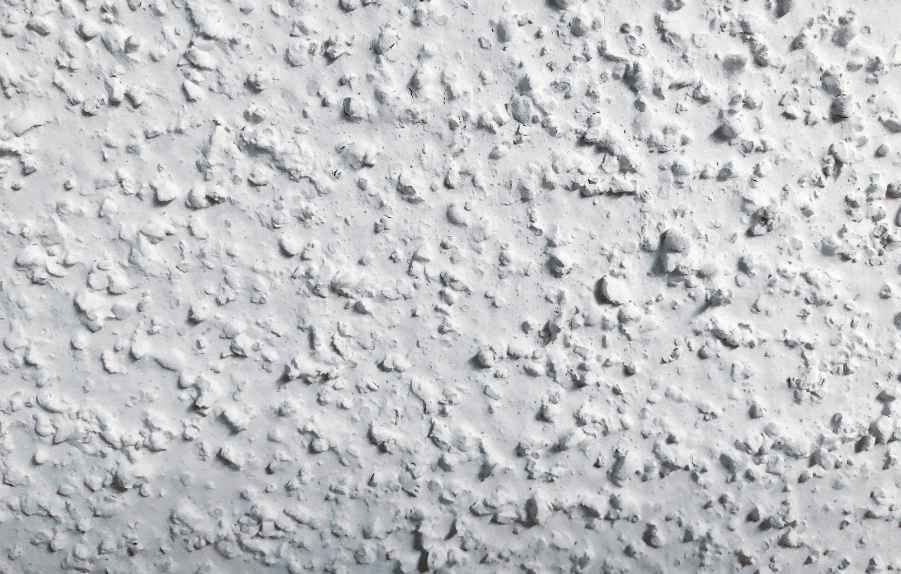
Textured Ceilings and “Popcorn Ceiling” Asbestos Risks Explained
Textured ceilings, often referred to as “popcorn ceilings,” were a popular interior finish in homes and commercial buildings built between the 1950s and 1980s. They were valued for their decorative appearance, ability to hide imperfections, and sound-absorbing qualities. However, many older textured ceiling products contained asbestos, making them a potential health risk if disturbed.
If you’re renovating an older property, purchasing a home, or planning ceiling repairs, it’s important to understand the risks associated with textured ceilings. Because asbestos fibres cannot be identified by sight alone, professional testing is often the safest first step before any work begins. In this guide, we explain what popcorn ceilings are, why they may contain asbestos, and what homeowners should do if they suspect asbestos is present.
What Is a Popcorn Ceiling
A popcorn ceiling is a textured ceiling finish created by spraying or applying a mixture that dries to form a rough, bumpy surface. The texture helped conceal cracks, joints, and other imperfections while reducing echoes in larger rooms.
Popcorn ceilings were commonly installed in:
- Houses
- Apartments
- Schools
- Offices
- Commercial buildings
- Public facilities
Although many modern textured ceilings are asbestos-free, older ceilings installed before the late 1980s may still contain asbestos.
Why Was Asbestos Used in Textured Ceilings
Before asbestos was banned in Australia, it was widely added to many building products because of its strength, durability, insulation properties, and fire resistance.
In textured ceilings, asbestos helped:
- Improve durability
- Reduce cracking
- Increase fire resistance
- Strengthen the ceiling coating
- Extend the product’s lifespan
While the ceiling may remain safe if left undisturbed and in good condition, any activity that damages the surface can release hazardous asbestos fibres into the air.
How Can You Tell If a Popcorn Ceiling Contains Asbestos
Unfortunately, you cannot determine whether a textured ceiling contains asbestos simply by looking at it. Modern textured coatings often look almost identical to older asbestos-containing products.
Your ceiling may warrant testing if:
- The property was built before the late 1980s
- The original ceiling finish is still in place
- Renovation history is unknown
- The ceiling has a sprayed or heavily textured finish
- You are planning repairs or renovations
The only reliable way to confirm the presence of asbestos is through professional sampling and laboratory analysis.
When Do Popcorn Ceilings Become Dangerous
Asbestos-containing ceilings generally present a low risk while they remain intact and undisturbed. Problems arise when the material is damaged or disturbed during building work.
Activities that may release asbestos fibres include:
- Drilling holes for lighting or fans
- Sanding or scraping textured surfaces
- Ceiling repairs
- Water damage restoration
- Air conditioning installations
- Demolition or renovation work
Even small jobs can disturb asbestos-containing materials, which is why testing should always be considered before work begins.
What Should You Do If You Suspect Asbestos
If you think your textured ceiling may contain asbestos, avoid disturbing it until it has been professionally assessed.
Do not:
- Sand or scrape the ceiling
- Drill or cut into the surface
- Attempt to remove the texture yourself
- Pressure clean or damage the coating
- Dispose of suspected asbestos with household waste
Instead, arrange for a qualified asbestos professional to inspect the ceiling and safely collect samples for laboratory testing if required.
What Happens If Asbestos Is Confirmed
If testing confirms asbestos is present, the appropriate course of action will depend on the condition of the ceiling and your future plans.
In many cases, professionals may recommend:
- Leaving the ceiling undisturbed if it remains in good condition
- Monitoring its condition during routine inspections
- Encapsulating the surface where appropriate
- Removing the ceiling before major renovations
- Safely transporting and disposing of asbestos waste
Every property is different, so the safest solution should be based on a professional assessment.
Why Professional Testing Is Worth It
Many homeowners are tempted to assume their textured ceiling is safe, but asbestos cannot be identified by appearance alone.
Professional asbestos testing provides:
- Safe sample collection
- Accredited laboratory analysis
- Accurate identification of asbestos-containing materials
- Practical advice before renovations
- Greater confidence when buying or renovating older properties
Testing before commencing work is often far less expensive than dealing with unexpected asbestos contamination after renovations have already started.
Final Thoughts
Textured or popcorn ceilings remain a hidden asbestos risk in many older Brisbane homes and commercial buildings. Although these ceilings may not pose an immediate danger when left undisturbed, renovations, repairs, or accidental damage can release harmful asbestos fibres if the material contains asbestos. If your property was built before the late 1980s and still has its original textured ceilings, arranging professional asbestos testing before carrying out any work is the safest approach. Early identification protects your family, contractors, and your investment while helping ensure your project complies with Queensland regulations.
Our experienced team provides professional asbestos inspections, textured ceiling testing, licensed asbestos removal, transport, and compliant disposal services throughout Brisbane and surrounding areas. Whether you’re renovating an older home, repairing ceiling damage, or purchasing a property, we can safely identify asbestos and recommend the most appropriate solution. Contact us today for expert advice and a competitive quote for asbestos removal in Brisbane.