
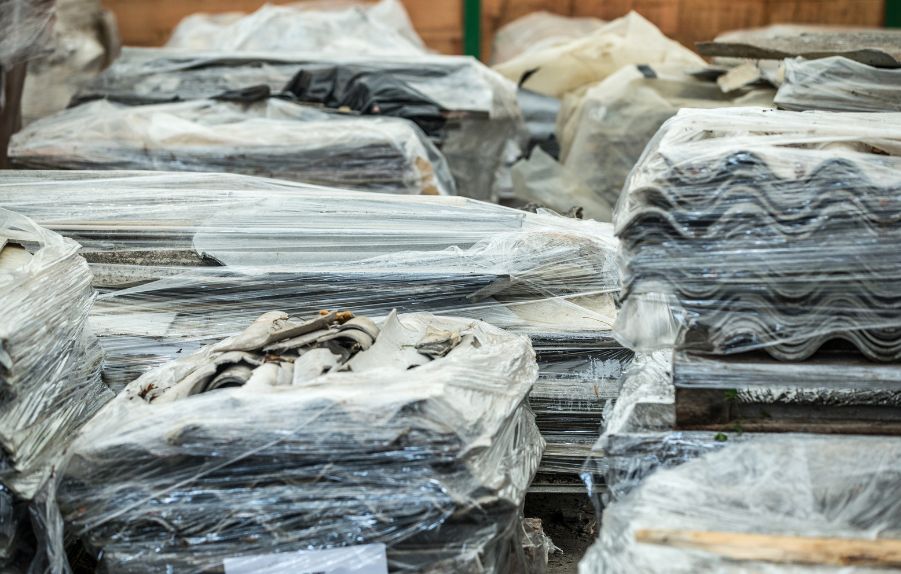
Asbestos Waste Disposal for Builders and Tradies in Brisbane
On many renovation and demolition sites across Brisbane, asbestos is still one of the most common hazardous materials encountered. For builders and tradies, it is not just another waste stream, it is a regulated substance that must be handled, transported, and disposed of under strict legal controls. Older homes, commercial buildings, sheds, and industrial structures often contain asbestos in roofing, walls, flooring, and insulation. Once disturbed during construction work, it can pose serious health and compliance risks if not managed correctly.
This guide breaks down how asbestos waste disposal actually works in practice for builders and tradies working in Brisbane, and what needs to be done to stay compliant on site.
Why asbestos handling is treated differently on construction sites
Unlike general construction waste, asbestos cannot be treated as normal debris. The main reason is the risk of airborne fibres when materials are cut, broken, or moved.
For builders and tradies, this means:
- Standard skip bins cannot be used for asbestos waste
- Special handling procedures are legally required
- Waste movement must be controlled from start to finish
- Only approved disposal pathways are allowed
The goal is not just compliance, but also preventing contamination across the site and surrounding areas.
Where asbestos is typically found during building work
Most asbestos discoveries happen unexpectedly during renovation or demolition. Builders and tradies commonly come across it in:
- Roof sheets and eaves on older homes
- External wall cladding and fencing
- Bathroom and laundry wall linings
- Vinyl floor coverings and adhesives
- Pipe insulation and lagging in service areas
Because it is often hidden behind finished surfaces, asbestos is frequently identified only once work has already started.
What happens on site when asbestos is identified
Once asbestos-containing material is suspected or confirmed, work practices usually change immediately.
Typical site response includes:
- Isolating the affected work area
- Stopping further disturbance of materials
- Arranging licensed asbestos assessment or removal
- Separating asbestos waste from general construction debris
At this stage, builders and tradies usually step back from direct handling unless they are licensed asbestos removalists.
Safe removal and handling process
Asbestos removal must follow strict procedures designed to minimise fibre release.
This generally involves:
- Controlled removal techniques to avoid breakage
- Use of protective equipment and sealed work zones
- Wetting methods to reduce airborne dust
- Careful dismantling instead of forceful removal
Once removed, materials are not handled like normal waste. They are treated as hazardous material from that point onwards.
How asbestos waste is prepared for disposal
Before asbestos leaves the site, it must be packaged correctly to prevent contamination during transport.
This typically includes:
- Wrapping waste in heavy-duty plastic sheeting
- Double-sealing all materials securely
- Labelling clearly as asbestos waste
- Ensuring no exposed or loose fibres remain
Even small packaging errors can lead to rejection at disposal facilities or compliance issues.
Transport and disposal requirements in Brisbane
Asbestos waste must be moved through approved channels only. It cannot be taken to standard waste facilities or general transfer stations.
Key requirements include:
- Transport by authorised carriers only
- Delivery to licensed asbestos disposal sites
- Compliance with Queensland safety regulations
- Proper documentation of waste movement
This ensures the material is tracked from site to final disposal location.
What builders and tradies should plan for on projects
Managing asbestos waste properly often affects project timelines and workflow.
On most sites, planning usually needs to account for:
- Possible delays due to asbestos identification
- Coordination with licensed removal services
- Separate disposal logistics
- Restricted access zones during removal
When these factors are planned early, disruption to construction work is significantly reduced.
Risks of ignoring proper asbestos disposal
Improper handling of asbestos waste can create serious consequences for builders and tradies, including:
- Health exposure risks for workers and occupants
- Project shutdowns or site stoppages
- Heavy fines and legal action
- Environmental contamination issues
- Long-term liability for contractors
Because of this, asbestos management is treated as a critical compliance requirement, not an optional step.
Final thoughts
For builders and tradies working in Brisbane, asbestos waste disposal is an unavoidable part of working on older properties. The process is structured, regulated, and safety-driven, covering everything from identification through to final disposal. Understanding how asbestos is handled on site helps avoid delays, reduce risk, and ensure full compliance across every stage of a project.
If your team needs support with asbestos disposal in Brisbane, professional services can help ensure safe, compliant, and efficient removal from start to finish.