
When Should You Get a Mould Test Done
Mould is a common issue in Australian homes and buildings, particularly in warm and humid climates. It often develops quietly, spreading behind walls, ceilings, or under flooring long before it becomes visible. Many property owners only take action once mould becomes obvious or health symptoms appear, by which point remediation can be more costly and disruptive.
Knowing when to get a mould test done allows you to take early action, protect indoor air quality, and avoid long-term property damage.
What Is a Mould Test and Why Is It Important
A mould test is a professional assessment used to detect mould growth and airborne mould spores within a property. Unlike surface cleaning or visual inspections, mould testing identifies hidden contamination and the moisture conditions that allow mould to thrive.
A professional mould test usually begins with a detailed inspection of the property, focusing on areas prone to dampness or water intrusion. This may be followed by air sampling to assess airborne spore levels, surface sampling where visible mould or staining is present, and moisture testing to locate leaks or damp building materials. Together, these steps provide a clear picture of whether mould is present, how extensive it is, and what is causing it.
Mould testing plays an important role in protecting both health and property. It removes uncertainty by confirming whether indoor air quality is affected, identifying mould types that may pose health risks, and ensuring any remediation work addresses the root cause rather than just the visible symptoms.
Key Signs You Should Get a Mould Test Done
Mould is not always visible, but certain warning signs indicate that testing should be considered. If you notice any of the following, it’s a good idea to arrange professional mould testing to confirm whether hidden mould is present.
1. Persistent Musty Odours
A lingering damp or musty smell is one of the most common indicators of hidden mould. These odours often originate from wall cavities, ceiling spaces, subfloor areas, or air conditioning systems. Even if no mould is visible, persistent odours suggest microbial growth and should not be ignored. A mould test can identify the source of the smell and determine whether spores are present in the air.
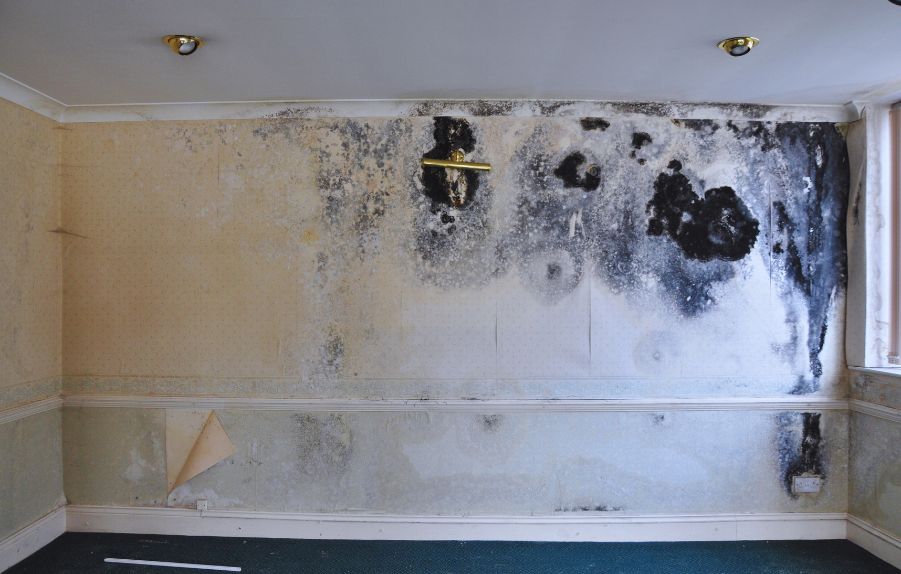
2. Visible Mould or Discolouration
Visible mould on walls, ceilings, grout, or timber surfaces is a clear sign that professional testing is required. While cleaning may remove surface mould, testing helps determine whether the mould is active, whether airborne spores are present, and whether growth extends beyond what can be seen. This ensures the problem is fully understood before remediation begins. Testing also helps confirm whether the visible mould is part of a larger hidden issue.
3. Unexplained Health Symptoms
Ongoing health symptoms that improve when you leave the building may be linked to indoor mould exposure. Common symptoms include:
- Sneezing, coughing, or respiratory irritation
- Headaches or persistent fatigue
- Worsening asthma or allergy symptoms
- Eye, nose, or throat irritation
Mould testing helps confirm whether indoor air quality may be contributing to these issues.
4. Excessive Moisture or Condensation
High humidity or persistent condensation on windows, walls, or ceilings creates ideal conditions for mould to grow. Even if no mould is visible, moisture that remains for long periods can allow spores to develop behind walls, under flooring, or inside wall cavities. If you notice dampness that won’t clear, a mould test is recommended to confirm whether hidden mould is present. Testing can reveal whether moisture has penetrated structural areas that are not easily visible.
5. Recent Water Leaks or Plumbing Issues
Any recent water leak, such as a burst pipe, roof leak, or appliance failure, can lead to mould growth even after the visible water has dried. Water can remain trapped in insulation, behind walls, or under floorboards, creating a hidden environment where mould can thrive. Testing after leaks helps ensure that the area has been fully dried and that mould has not started to develop. A mould test after leaks provides reassurance that the area has been properly restored.
6. Peeling Paint or Wallpaper
Peeling, bubbling, or discoloured paint and wallpaper often indicate moisture is trapped behind surfaces. This trapped moisture can support mould growth beneath the finish, even if nothing is visible on the surface. If you notice paint or wallpaper peeling in any area of your home, a mould test can help determine whether mould is developing behind the walls. Testing helps identify whether the damage is cosmetic or a sign of deeper moisture issues.
7. Damp or Dark Areas in the Home
Mould thrives in areas with poor ventilation and limited sunlight, such as basements, laundry rooms, closets, or under sinks. If these spaces feel damp or musty, or if you notice recurring damp patches, it could be a sign of hidden mould growth. A professional mould test can confirm whether moisture and mould are present in these high-risk areas. Early testing in these spaces can prevent mould from spreading to the rest of the home.
Situations Where Mould Testing Is Strongly Recommended
Some situations significantly increase the likelihood of mould growth, even if no immediate signs are present. If you’ve experienced any of the following, a professional mould test is a wise step to confirm whether mould has developed.
1. After Water Damage or Flooding
Any form of water intrusion creates ideal conditions for mould to develop. This includes stormwater ingress, roof leaks, plumbing failures, or overflows in bathrooms, kitchens, or laundries. Because mould can begin growing within 24 to 48 hours, testing after water damage helps confirm whether drying and repairs were effective. A mould test can also detect moisture trapped in building materials that may not be visible during standard inspections.
2. Before Buying or Selling a Property
Mould testing is increasingly used during property transactions to reduce risk and uncertainty. It can identify hidden issues before settlement, protect buyers from unexpected remediation costs, and provide transparency for sellers. This is particularly important for older homes or properties with a history of leaks or renovations. A formal report also provides documented evidence that can support negotiations and give both parties confidence in the property’s condition.
3. During or After Renovations
Renovation work can disturb existing mould or expose damp materials that were previously sealed. Mould testing ensures renovated spaces are safe for reoccupation, confirms that mould has not spread during construction, and verifies that moisture problems have been resolved before final finishes are completed. This helps protect your renovation investment and reduces the risk of future outbreaks.
High-Risk Properties That Benefit from Regular Mould Testing
Some properties are more susceptible to mould growth due to design, age, or usage.
1. Older Homes and Buildings
Older buildings often lack modern waterproofing, insulation, and ventilation, which can lead to:
- Trapped moisture in wall cavities
- Poor airflow throughout the property
- Increased risk of hidden mould growth
Regular mould testing helps monitor conditions and manage long-term risks.
2. Rental Properties and Workplaces
Landlords and employers have a responsibility to maintain safe indoor environments. Mould testing supports:
- Health and safety compliance
- Early identification of potential issues
- Reduced disputes and liability risks
Documented testing also demonstrates due diligence.
3. Homes with Poor Ventilation
Properties with limited airflow are more likely to retain moisture, particularly in:
- Bathrooms and laundries
- Kitchens without effective range hoods
- Bedrooms with limited window ventilation
Mould testing can determine whether ventilation improvements are required.
Why Early Mould Testing Saves Time and Money
Early mould testing can significantly reduce long-term costs and disruption. When mould is identified early, it is less likely to cause structural damage to plasterboard, timber framing, flooring, and insulation. Addressing issues early also reduces the risk of extensive remediation or rebuilds.
From a health perspective, early testing limits prolonged exposure to airborne spores, supports timely remediation, and helps maintain healthy indoor air quality. This is especially important for households with children, elderly occupants, or individuals with asthma or allergies.
Professional testing also helps avoid incomplete DIY solutions. While surface cleaning may remove visible mould, testing ensures hidden growth and moisture sources are identified so the problem does not return.
Final Thoughts
Understanding when you should get a mould test done allows you to act before minor issues become major problems. Whether you are experiencing health symptoms, dealing with water damage, renovating, or preparing for a property transaction, professional mould testing provides clarity and confidence.
If you suspect mould or want reassurance about your indoor environment, contact a qualified mould testing professional today. Early testing is a proactive step that protects your property, your health, and your peace of mind.