
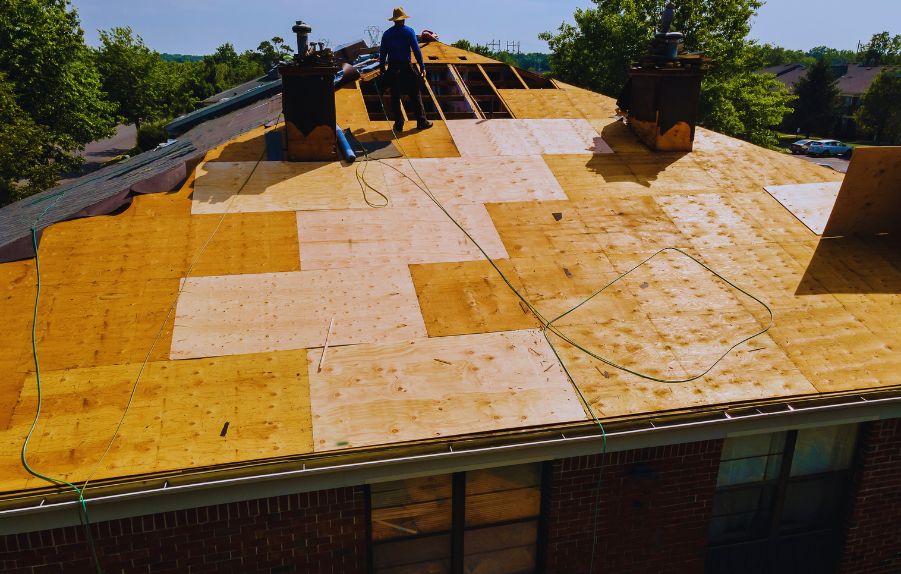
What To Do If You Discover Asbestos During Home Renovations
Discovering asbestos during a home renovation can be alarming. Asbestos was widely used in Australian homes until the late 1980s in materials such as wall sheeting, roofing, flooring, and insulation. Disturbing asbestos without proper precautions can release harmful fibres into the air, posing serious health risks. Knowing the correct steps to take ensures your safety, protects others, and keeps your renovation project on track. This guide explains what to do if you encounter asbestos in your home.
Stop Work Immediately
The first priority when asbestos is discovered is to stop all renovation work in the affected area. Continuing to work may disturb the material and release dangerous fibres.
1. Isolate the Area
Clearly mark and restrict access to the area containing asbestos. Keep children, pets, and other household members away. Use signage or temporary barriers if possible. This helps prevent accidental exposure while you organise a safe removal plan. Additionally, ensure anyone entering the area wears proper protective equipment to reduce the risk of contamination.
2. Avoid Disturbing the Material
Do not attempt to cut, sand, drill, or remove the asbestos yourself. Disturbing the material can release fibres into the air and increase health risks. Leave the material untouched until a licensed professional can assess it safely. Even minor handling or movement can make asbestos fibres airborne, so patience and caution are essential.
3. Ventilation Precautions
Shut doors and windows in the affected area and avoid using fans or air conditioning that could spread fibres throughout the home. Minimising airflow prevents asbestos contamination from moving to other rooms. This step also helps protect neighbouring areas and keeps airborne fibres contained until professionals arrive.
Identify and Assess the Asbestos
Once the area is secured, it’s important to understand what type of asbestos you’re dealing with.
1. Recognising Asbestos-Containing Materials
Common asbestos materials include:
- Wall and ceiling sheeting
- Vinyl floor tiles and backing
- Roofing and guttering
- Pipe insulation and lagging
Knowing what materials might contain asbestos helps professionals plan safe removal and ensures no fibres are released during assessment.
2. Age and Condition of Materials
Asbestos in older homes may be more fragile. Damaged or crumbling asbestos is particularly hazardous. Licensed assessors evaluate the condition to determine the safest removal method. They also recommend whether the material can be safely left in place or requires immediate removal, helping you plan your renovation accordingly.
3. Engage a Licensed Asbestos Assessor
In Australia, only licensed asbestos assessors can determine the presence of asbestos. They provide a formal report detailing risk levels and next steps. Hiring a professional ensures compliance with Australian safety laws and protects your family’s health.Engaging a licensed assessor also gives you peace of mind that the assessment is accurate and legally recognised.
Contact a Licensed Asbestos Removalist
Never attempt to remove asbestos yourself unless you are licensed. Professional removal is critical for safety and legal compliance.
1. Verify Credentials and Licensing
Ensure the removalist is licensed by your state authority (e.g., WorkSafe Victoria). Check for experience in residential projects and positive reviews from previous clients. This guarantees the removal is done safely and according to Australian standards. Also, verify that their insurance covers any potential damage or accidental exposure during the removal process, adding an extra layer of protection for your home.
2. Request a Clear Removal Plan
A reputable removalist will provide a written plan including:
- Methods for safe removal
- Containment and disposal procedures
- Estimated timelines and costs
This plan protects you legally and ensures the project proceeds efficiently without delays.
3. Professional Disposal of Asbestos Waste
Asbestos must be transported and disposed of at approved facilities. Licensed removalists handle the full disposal process. Improper disposal is illegal and dangerous, so using professionals ensures compliance and safety. Proper disposal also prevents environmental contamination and reduces the risk of asbestos exposure to neighbours and the community.
Follow Safety Precautions During Renovation
Even after asbestos is removed, maintaining safe practices is essential to prevent contamination.
- Protective Clothing and Equipment: If you must enter the area before removal, wear PPE such as disposable coveralls, gloves, and a P2 respirator. Avoid touching or cleaning asbestos dust, as fibres can cling to clothing and skin.
- Proper Cleaning and Ventilation: After removal, ensure the area is cleaned with HEPA-filtered vacuums or wet wiping techniques. Do not use standard vacuum cleaners, as they cannot capture asbestos fibres effectively.
- Confirm Clearance Testing: Licensed removalists can conduct air monitoring or visual inspections to confirm that all asbestos has been safely removed. Clearance testing provides peace of mind and ensures your home is safe for continued renovation.
Legal and Regulatory Considerations
Handling asbestos is regulated under Australian law to protect public health.
- Comply With State Regulations: Different states have specific asbestos regulations, including notification and licensing requirements. Check WorkSafe guidelines in your state before beginning any renovation.
- Documentation and Reporting: Keep all assessment and removal documentation for future reference. This protects you in case of legal or insurance questions related to asbestos exposure.
- Avoid Unlicensed Work: Hiring unlicensed contractors or attempting DIY removal can result in fines, legal penalties, and health risks. Always engage licensed professionals to comply with the law and safeguard your household.
Final Thoughts
Discovering asbestos during a home renovation can be stressful, but knowing the correct steps keeps you safe. Stop work immediately, secure the area, engage licensed professionals, and follow regulatory guidelines. By handling asbestos responsibly, you protect your family, comply with the law, and ensure your renovation project can continue safely.
If you suspect asbestos in your Brisbane home, contact a licensed asbestos removalist today to assess and safely remove hazardous materials. Protect your family and your property during renovations.