
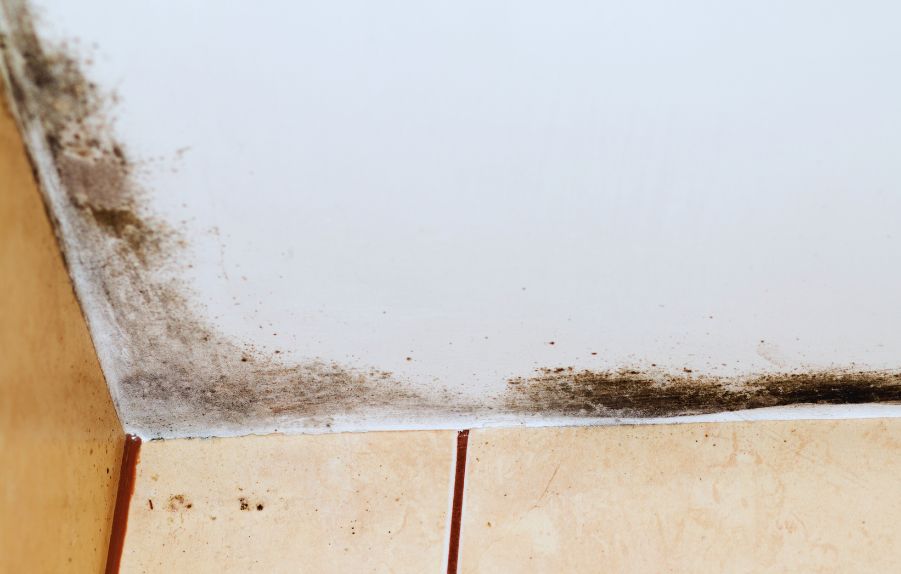
How to Remove Mould from Ceilings Safely and Effectively
Mould growth on ceilings is a common issue in Brisbane homes and commercial buildings, particularly in areas exposed to moisture, high humidity, and poor airflow. While it may begin as small black or green spots, ceiling mould can quickly spread, affecting indoor air quality, damaging surfaces, and posing potential health risks.
Understanding how to remove mould from ceilings safely and effectively is essential for maintaining a clean, healthy, and structurally sound property. Whether the mould appears in a bathroom, kitchen, bedroom, or living area, taking timely action can prevent further damage and costly repairs.
In this comprehensive guide, we’ll explore the causes of ceiling mould, the health and property risks involved, safe DIY removal methods, when to call professional mould removal services, and proven strategies to prevent mould from returning.
What Causes Mould on Ceilings
Ceiling mould does not appear randomly. Identifying the underlying cause is critical for effective removal and long-term prevention. In Brisbane’s subtropical climate, high humidity, heavy rainfall, and warm temperatures make homes particularly prone to mould growth.
1. Excess Moisture and High Humidity
Mould thrives in damp environments where moisture is consistently present. Areas such as bathrooms, kitchens, laundries, and poorly ventilated bedrooms often experience high humidity due to steam from showers, cooking, and everyday household activities. When moisture settles on ceilings and does not dry properly, it creates the perfect environment for mould spores to grow and spread. Over time, this moisture build-up can lead to widespread mould staining and structural damage.
2. Poor Ventilation
Inadequate ventilation prevents moist air from escaping, allowing condensation to build up on ceiling surfaces. Homes without exhaust fans, open windows, or proper airflow systems are more prone to ceiling mould. This issue is particularly common in older Brisbane homes or modern units with sealed windows designed for energy efficiency. Without proper air circulation, moisture remains trapped, encouraging ongoing mould growth.
3. Roof Leaks and Water Intrusion
Roof leaks, damaged tiles, blocked gutters, or faulty plumbing can allow water to seep into ceiling cavities. This hidden moisture often goes unnoticed until mould becomes visible on the ceiling surface. Even small leaks can introduce enough moisture to cause significant mould growth over time. If left unaddressed, water intrusion can also weaken ceiling structures and result in costly repairs.
4. Insulation and Temperature Differences
Poor or damaged insulation can cause temperature imbalances between indoor air and ceiling surfaces. When warm, moist indoor air comes into contact with a cold ceiling, condensation forms. This repeated condensation creates a damp environment that supports mould growth. Improving insulation and managing indoor temperatures can significantly reduce the risk of mould forming on ceilings in homes.
Is Mould on Ceilings Dangerous
Many homeowners underestimate the risks of ceiling mould. Prolonged exposure can negatively impact both health and property value.
Mould releases spores into the air, which can be inhaled. According to the Australian Government Department of Health, exposure to mould may cause:
- Allergic reactions
- Asthma flare-ups
- Respiratory infections
- Eye, nose, and throat irritation
- Headaches and fatigue
Children, elderly individuals, and people with pre-existing respiratory conditions are particularly vulnerable.
Beyond health concerns, mould can deteriorate ceiling materials, weaken plasterboard, stain paintwork, and reduce the overall appearance and value of a property. If ignored, minor mould problems can escalate into major structural repairs.
How to Remove Mould from Ceilings Safely
If mould growth is small and contained, it may be possible to remove it yourself. However, safety should always be the top priority.
1. Safety Precautions Before Removing Ceiling Mould
Before starting any mould removal:
- Wear protective gloves, goggles, and a face mask
- Ensure the area is well-ventilated
- Avoid dry brushing or vacuuming mould
- Keep children and pets away
These precautions reduce the risk of inhaling mould spores or spreading them to other areas of the home.
2. Natural Methods for Removing Ceiling Mould
Natural cleaning solutions are ideal for light mould growth and households seeking chemical-free options:
- White Vinegar: Spray undiluted vinegar directly onto the mould, leave for at least one hour, then wipe clean with a damp cloth.
- Baking Soda: Mix baking soda with water to form a gentle cleaning solution. This removes mould stains while neutralising odours.
- Tea Tree Oil: Mix tea tree oil with water and spray onto mouldy areas. Leave on the surface to prevent regrowth.
3. Using Commercial Mould Removal Products
For more stubborn mould, commercial mould removers may be necessary. Always:
- Read and follow manufacturer instructions
- Test the product on a small area first
- Avoid mixing chemicals
Commercial solutions are often more effective on painted ceilings and heavily stained areas.
When DIY Mould Removal Is Not Enough
While DIY methods work for small patches, they are not always sufficient. If mould covers a large area of the ceiling or keeps returning after cleaning, it usually indicates an unresolved moisture problem. Surface cleaning may remove visible mould, but it does not address the source, and recurring mould can spread further over time.
Some mould grows inside ceiling cavities, insulation, or behind plasterboard, making it difficult to detect and dangerous to remove without specialised equipment. Disturbing hidden mould can release spores into the air, increasing the risk of respiratory issues. Certain mould types may also produce harmful toxins that require professional handling. Trained mould removal specialists have the tools and expertise to safely identify, contain, and remove these hazards.
Benefits of Hiring Professional Mould Removal Services
1. Thorough Inspection and Treatment
Professional mould removal specialists conduct detailed inspections to identify the root cause of mould growth, not just the visible symptoms. They assess moisture levels, ventilation issues, and hidden problem areas within ceiling cavities or insulation. By treating both the mould and its source, professionals ensure complete removal and significantly reduce the chances of recurrence. This thorough approach saves time, money, and ongoing frustration.
2. Advanced Equipment and Techniques
Professional mould removal services use specialised equipment and industry-approved techniques that are far more effective than standard household cleaning products. This includes protective containment systems, HEPA filtration, and professional-grade treatments designed to eliminate mould spores safely. These tools allow professionals to remove mould without spreading spores to other areas of the property. As a result, the process is safer for occupants and delivers more reliable outcomes.
3. Improved Indoor Air Quality
Mould spores circulating in the air can negatively affect indoor air quality and overall health. Professional mould removal targets these spores at their source, helping to restore clean and healthy indoor air. By thoroughly removing mould and addressing moisture issues, professionals reduce the risk of respiratory problems, allergies, and other health concerns. Improved air quality also contributes to a more comfortable and healthier living environment for residents.
How to Prevent Mould from Returning on Ceilings
Prevention is just as important as removal. Once mould has been eliminated, taking proactive steps will help keep it away.
1. Improve Ventilation Throughout the Home
Proper ventilation is essential for reducing moisture levels. Installing exhaust fans in bathrooms, kitchens, and laundries helps remove steam and humid air before it settles on ceilings. Opening windows regularly encourages fresh air circulation, preventing moisture from becoming trapped. Ensuring airflow reaches all rooms significantly reduces conditions that allow mould to grow.
2. Control Moisture and Humidity Levels
Keeping indoor humidity under control is a key factor in preventing mould growth. Using dehumidifiers in high-humidity areas, particularly during Brisbane’s hot, humid summers, helps remove excess moisture from the air. Indoor humidity should ideally remain below 60% to discourage mould development. Regularly monitoring humidity levels can help identify problem areas before mould becomes visible.
3. Repair Leaks and Water Damage Immediately
Even small leaks can introduce enough moisture to cause mould growth on ceilings. Roof leaks, plumbing faults, and damaged insulation should be repaired as soon as they are detected. Prompt repairs prevent water from seeping into ceiling cavities where mould can spread unnoticed. Addressing water damage early also avoids costly structural repairs.
4. Use Mould-Resistant Paint and Materials
Mould-resistant paints and building materials provide an extra layer of protection in moisture-prone areas. These products are especially effective in bathrooms, kitchens, and laundries, where humidity levels are consistently high. Using mould-resistant materials can extend the lifespan of painted surfaces and reduce ongoing maintenance.
Final Thoughts
Knowing how to remove mould from ceilings safely and effectively is essential for protecting your health, maintaining your property, and preventing long-term damage. While minor mould issues can often be treated at home, recurring or extensive mould should always be handled by professionals.
By addressing moisture issues, improving ventilation, and acting quickly at the first signs of mould, homeowners can enjoy a cleaner, healthier indoor environment for years to come.
If you’re dealing with persistent or widespread ceiling mould, it’s best to contact experienced mould removal specialists. They can provide safe, effective, and long-lasting solutions tailored to your property.