
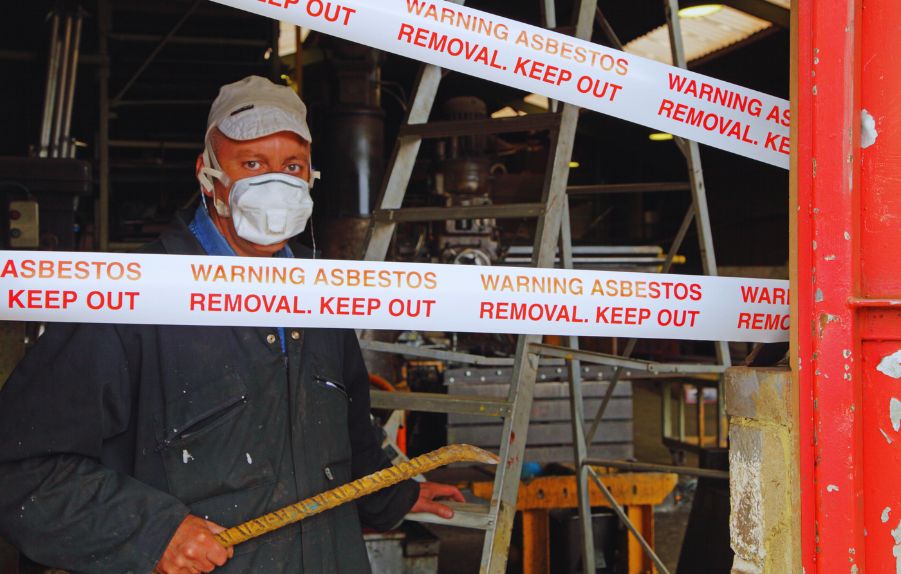
Hidden Dangers of DIY Asbestos Removal You Can’t Ignore
Asbestos was once widely used in building materials due to its strength and fire-resistant properties. However, its serious health risks have made asbestos removal a highly regulated process. Many homeowners and DIY enthusiasts believe they can safely remove asbestos themselves, but this is a dangerous misconception. DIY asbestos removal can lead to severe health issues, legal trouble, and significant financial consequences. In this blog, we explore the hidden dangers of removing asbestos yourself and explain why professional asbestos removal is the safest choice.
What Is Asbestos and Why Is It Dangerous
Asbestos is a group of naturally occurring minerals known for their heat resistance and durability. It was commonly used in construction materials such as insulation, roofing, wall sheeting, and floor tiles. While asbestos is harmless when undisturbed, it becomes extremely dangerous when fibres are released into the air.
a. Common Places Asbestos Is Found
Asbestos may be present in:
- Ceiling and wall insulation
- Roof and wall cladding
- Vinyl floor tiles
- Pipe insulation
- Old electrical switchboards
b. Health Risks of Asbestos Exposure
When asbestos fibres are inhaled, they can become lodged in the lungs and remain there for years. Over time, this can lead to serious conditions such as:
- Asbestosis
- Lung cancer
- Mesothelioma
These diseases often develop decades after exposure, making asbestos exposure particularly dangerous.
c. Why DIY Removal Is Risky
DIY asbestos removal may seem like a cost-saving solution, but it greatly increases the risk of fibre release. Without proper training, protective equipment, and containment methods, you could unknowingly expose yourself and your family to toxic fibres. Even small mistakes during removal can spread asbestos dust throughout the home, putting everyone at risk.
Hidden Dangers of DIY Asbestos Removal
a. Incorrect Identification of Asbestos
One of the most common risks is misidentifying materials. Not all asbestos-containing materials are obvious. A homeowner may assume a material is safe when it contains asbestos, or mistakenly disturb a material that should remain untouched. Professional asbestos assessors can correctly identify and test materials to determine the safest course of action.
b. Inadequate Safety Equipment
Proper asbestos removal requires specialised personal protective equipment (PPE), including:
- Respirators with HEPA filters
- Disposable coveralls
- Gloves and protective eyewear
DIY removers often use basic masks or no protection at all, which does not prevent asbestos fibres from being inhaled.
c. Improper Containment and Disposal
Asbestos removal requires strict containment to prevent fibres from spreading. Professionals use methods such as:
- Sealing off the work area
- Using negative pressure systems
- Wetting materials to reduce dust
Improper containment can spread asbestos fibres throughout the home, making the situation far worse than before removal began. Additionally, asbestos waste must be disposed of at licensed facilities. Improper disposal can lead to fines and environmental harm.
d. Airborne Fibres and Cross-Contamination
Even small amounts of asbestos dust can contaminate surfaces and air. Cross-contamination can occur when asbestos dust is carried on clothing, shoes, or tools. This can expose family members, neighbours, and workers to asbestos without them knowing. Once asbestos fibres are airborne, they can spread quickly, making it difficult to contain the contamination and increasing the risk of long-term health issues.
e. Legal and Financial Consequences
In Australia, asbestos removal is highly regulated. Homeowners who attempt DIY removal may be breaking the law and could face serious consequences, including:
- Heavy fines
- Liability for contamination
- Increased medical expenses
- Property devaluation
These risks make DIY removal an extremely costly decision in the long run.
Legal Requirements and Compliance
Each state and territory in Australia has strict asbestos management rules. In Queensland, asbestos removal must comply with the Work Health and Safety Regulation 2011 and guidelines administered by Workplace Health and Safety Queensland (WHSQ). Licensed asbestos removalists in Queensland must hold the appropriate Class A or Class B asbestos removal licence and follow documented control plans, notifications, and safety procedures to ensure compliance and protect public health and safety.
Non-compliance can result in:
- Penalties and legal action
- Orders to remediate the property
- Personal liability for exposure
- Insurance claims being rejected
Professional removalists maintain records and documentation that prove compliance, which is essential for safety and legal protection.
Benefits of Professional Asbestos Removal
a. Safe and Accurate Testing
Professional asbestos services always begin with thorough testing and assessment.
Certified inspectors carefully identify suspect materials using approved testing methods. This ensures that asbestos-containing materials are correctly identified before any work begins. Accurate testing helps prevent unnecessary disturbance and reduces the risk of accidental exposure.
b. Proper Containment and Removal
Trained removalists use industry-standard containment methods to prevent asbestos fibres from spreading. They set up sealed work areas and use specialised equipment to control dust and airborne particles. During removal, materials are handled carefully to minimise breakage and fibre release. This controlled approach significantly reduces the risk of contamination throughout your property.
c. Legal Disposal and Documentation
Professionals manage asbestos waste disposal through licensed and approved facilities only. They follow strict legal guidelines to ensure waste is transported and disposed of safely. Detailed documentation and certificates are provided to confirm that the removal was completed correctly. This documentation protects you from legal issues and helps maintain property compliance.
d. Reduced Health Risk
The most important benefit of professional removal is protecting your health and safety. Removal experts use proper protective gear and follow strict safety protocols at all times. This reduces the chance of asbestos fibres being inhaled by you, your family, or workers. Avoiding exposure through professional removal lowers the long-term risk of serious diseases like mesothelioma.
Final Thoughts
DIY asbestos removal may seem like a cost-saving option, but it is a dangerous and risky choice. Incorrect identification, inadequate protection, poor containment, and legal issues can all make the situation far worse. The hidden dangers of DIY asbestos removal are too significant to ignore. If you suspect asbestos in your home or workplace, it is essential to seek professional asbestos removal services. Professionals ensure safe removal, legal compliance, and peace of mind.
If you need reliable and safe asbestos removal in Brisbane, contact us today for a professional assessment and quote. Protect your health and your property, don’t risk DIY asbestos removal.