
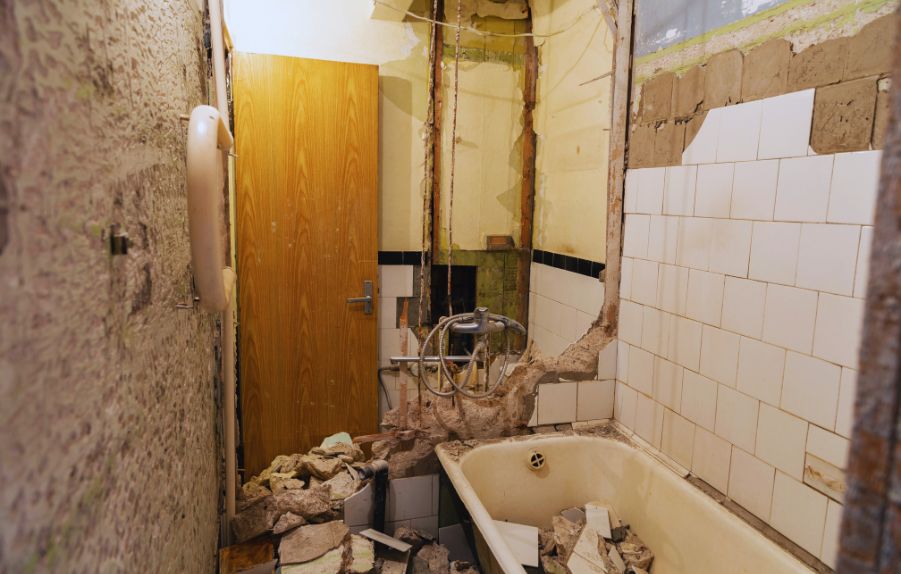
Guide to Asbestos Bathroom Removal in Brisbane Homes
If you own a home in Brisbane built before the late 1980s, there is a strong chance that asbestos-containing materials were used somewhere in the property, especially in bathrooms. Asbestos was widely used in Australian construction due to its durability, water resistance, and insulation properties. Unfortunately, we now know that asbestos poses serious health risks when disturbed.
Bathroom renovations are one of the most common ways asbestos is accidentally exposed. This guide will help Brisbane homeowners understand where asbestos is found in bathrooms, the risks involved, and how professional asbestos bathroom removal should be handled safely and legally.
Why Asbestos Is Common in Brisbane Bathrooms
Between the 1940s and 1980s, asbestos was frequently used in wet areas because of its resistance to moisture, heat, and mould. In Brisbane’s humid climate, bathrooms were often built using asbestos-based products to improve durability.
Common asbestos-containing materials found in bathrooms include:
- Asbestos cement wall sheeting (fibro)
- Ceiling panels
- Backing boards behind tiles
- Vinyl floor tiles and adhesives
- Waterproofing membranes
- Pipe insulation and lagging
Even if the bathroom looks modern, asbestos may still be hidden behind tiles or under flooring from earlier renovations.
Health Risks of Asbestos Exposure
Asbestos is generally safe if it remains undisturbed. The danger arises when asbestos materials are cut, drilled, sanded, or broken, releasing microscopic fibres into the air. When inhaled, these fibres can lodge in the lungs and cause serious illnesses, including:
- Mesothelioma
- Asbestosis
- Lung cancer
- Pleural disease
Symptoms may take decades to appear, making prevention and proper removal critical. This is why asbestos bathroom removal should never be a DIY job.
Signs Your Bathroom May Contain Asbestos
You should assume asbestos may be present if:
- Your home was built or renovated before 1990
- The bathroom has fibro walls or ceilings
- Tiles are fixed to thick cement sheeting
- The flooring is old vinyl or vinyl-backed
- The bathroom has never undergone a full renovation
The only way to confirm asbestos is through laboratory testing by a licensed asbestos professional.
Asbestos Bathroom Removal Laws in Queensland
In Queensland, asbestos removal is strictly regulated under Work Health and Safety (WHS) laws. These regulations are enforced by Workplace Health and Safety Queensland (WHSQ).
Key legal requirements include:
- Licensed asbestos removalists must remove friable asbestos or more than 10m² of non-friable asbestos
- Proper notification to WHSQ before removal work begins
- Use of specialised PPE and equipment
- Safe containment, removal, and disposal at approved facilities
- Air monitoring and clearance inspections where required
Failing to comply can result in heavy fines and serious health risks.
The Professional Asbestos Bathroom Removal Process
Hiring a licensed asbestos removal company in Brisbane ensures the job is completed safely and legally. Here’s what the process typically involves:
- Asbestos Inspection and Testing: A qualified inspector assesses the bathroom and collects samples for lab testing to confirm asbestos presence and type.
- Risk Assessment and Removal Plan: A detailed plan outlines how the asbestos will be safely removed, including containment methods, safety controls, and disposal procedures.
- Site Preparation and Containment: The bathroom is sealed off using plastic sheeting and negative air pressure units to prevent fibres from spreading through the home.
- Safe Removal: Asbestos materials are carefully removed using wet methods to minimise dust. All workers wear protective clothing and respirators.
- Decontamination: The area and equipment are thoroughly cleaned using HEPA-filtered vacuums. Waste is double-bagged and labelled.
- Disposal: Asbestos waste is transported to an approved Queensland asbestos disposal facility.
- Clearance Inspection: In many cases, an independent assessor conducts air monitoring and provides a clearance certificate before renovation work can begin.
Cost of Asbestos Bathroom Removal in Brisbane
The cost of asbestos bathroom removal varies depending on:
- Size of the bathroom
- Amount and type of asbestos present
- Accessibility
- Need for air monitoring and clearance certificates
Average price range in Brisbane:
- Small bathroom: $2,500 – $4,000
- Full bathroom strip-out: $4,000 – $8,000+
While it may seem expensive, professional removal protects your health, ensures legal compliance, and prevents costly contamination issues during renovation.
Can You Renovate a Bathroom With Asbestos?
You should never renovate over asbestos or attempt to remove it yourself. Even drilling into tiles or pulling up flooring can release dangerous fibres.
Before starting any bathroom renovation in Brisbane:
- Arrange an asbestos inspection
- Remove asbestos safely before demolition
- Obtain clearance certification
This approach protects tradespeople, occupants, and future buyers of the property.
Choosing the Right Asbestos Removal Company in Brisbane
When selecting an asbestos removalist, ensure they:
- Hold a valid Queensland asbestos removal licence
- Have experience with bathroom asbestos removal
- Provide written removal plans and documentation
- Offer clearance certificates
- Are fully insured
Avoid unlicensed operators offering cheap removal, this can expose you to serious legal and health consequences.
Final Thoughts
Asbestos bathroom removal in Brisbane is a critical step for homeowners planning renovations or ensuring long-term safety. Given the age of many Brisbane homes, asbestos is a common hidden hazard that should never be ignored.
By engaging licensed professionals, following Queensland regulations, and removing asbestos before renovation, you protect your health, your property value, and everyone who enters your home.
If you suspect asbestos in your bathroom, take action early, safe removal today prevents serious health issues tomorrow.