
Hidden Asbestos in Bathrooms: What Homeowners Need to Know
Asbestos was commonly used in Australian homes before its ban in 2003 due to its heat resistance, durability, and insulating properties. Bathrooms are one of the less obvious areas where asbestos may still be present, hidden behind tiles, in wall panels, flooring, or pipe insulation. Understanding where it may hide and the dangers of exposure is crucial to keeping your home safe and compliant with Australian regulations.
Why Asbestos Was Used in Bathrooms
Asbestos was widely used in bathroom construction because it offered several benefits that other materials could not match.
- Water Resistance and Durability: Fibro cement sheets containing asbestos were highly resistant to moisture, making them ideal for wet areas such as shower surrounds and walls. These materials could withstand decades of use without degrading.
- Thermal Insulation: Asbestos was often used around hot water pipes and heating systems to reduce heat loss and protect surrounding surfaces from heat damage.
- Longevity: Builders used asbestos for its long-lasting qualities. Bathroom walls, ceilings, and even underfloor layers could contain asbestos, which remains intact for many years.
- Fire Resistance: Its natural fire-resistant properties made asbestos a safe choice for electrical or heating elements often found in bathrooms.
Even today, these properties mean asbestos can remain hidden in older bathrooms, often under paint, tiles, or vinyl.
Common Bathroom Materials That May Contain Asbestos
Many asbestos-containing materials (ACMs) in bathrooms are hidden from view, making them difficult to identify without professional testing.
- Wall and Ceiling Panels: Fibro cement sheets installed behind tiles or plasterboard may contain asbestos. These panels were popular from the 1950s to the 1980s.
- Vinyl Flooring and Adhesives: Older vinyl tiles, particularly those laid before the late 1980s, can contain asbestos in the backing or adhesive layers.
- Pipe Insulation: Insulation around hot water and drainage pipes may contain asbestos to protect against heat and corrosion.
- Tile Backing Boards: Asbestos-containing backing boards are often hidden behind ceramic tiles in showers and around baths, providing structural support and moisture resistance.
These materials can release fibres into the air when drilled, cut, or damaged, which makes proper identification and handling essential.
Health Risks of Asbestos Exposure
Asbestos fibres are hazardous when inhaled, even in small amounts. Bathrooms can become high-risk zones during renovations or repairs if hidden asbestos is disturbed.
- Respiratory Diseases: Inhalation can lead to serious illnesses such as mesothelioma, lung cancer, and asbestosis. These diseases often take decades to develop.
- Risk During Renovations: Cutting, drilling, or removing tiles and panels without professional handling can release fibres into the air, putting household members at risk.
- Long-Term Effects: Even minimal exposure over time can accumulate in the lungs, making prevention and early management vital.
- Vulnerable Populations: Children, elderly family members, and anyone with pre-existing respiratory conditions are particularly at risk.
Understanding these risks reinforces the importance of safe practices whenever asbestos may be present.
How to Identify Asbestos in Bathrooms
Identifying asbestos requires careful observation and professional testing. It is not always visible to the naked eye.
- Check the Property’s Age: Homes built before 2003, and especially before the 1990s, are more likely to contain asbestos materials.
- Look for Signs: Fibrous cement sheets, aged vinyl tiles, and pipe insulation may indicate the presence of asbestos. Cracks, wear, or damage can also be clues.
- Avoid Disturbing Materials: Never drill, sand, or cut anything suspected of containing asbestos, as this increases exposure risk.
- Professional Testing: Licensed asbestos assessors or NATA-accredited laboratories should test any suspect material for asbestos. DIY sampling is strongly discouraged due to the danger of releasing fibres.
Professional assessment is the only safe way to confirm asbestos presence in bathrooms.
Safe Removal and Management
If asbestos is detected in your bathroom, proper removal and management are crucial.
- Hire Licensed Professionals: Only licensed bathroom asbestos removalists can legally handle, remove, and dispose of asbestos in Australia.
- Follow Safety Regulations: Removal must comply with Work Health and Safety (WHS) laws, including NSW and national standards.
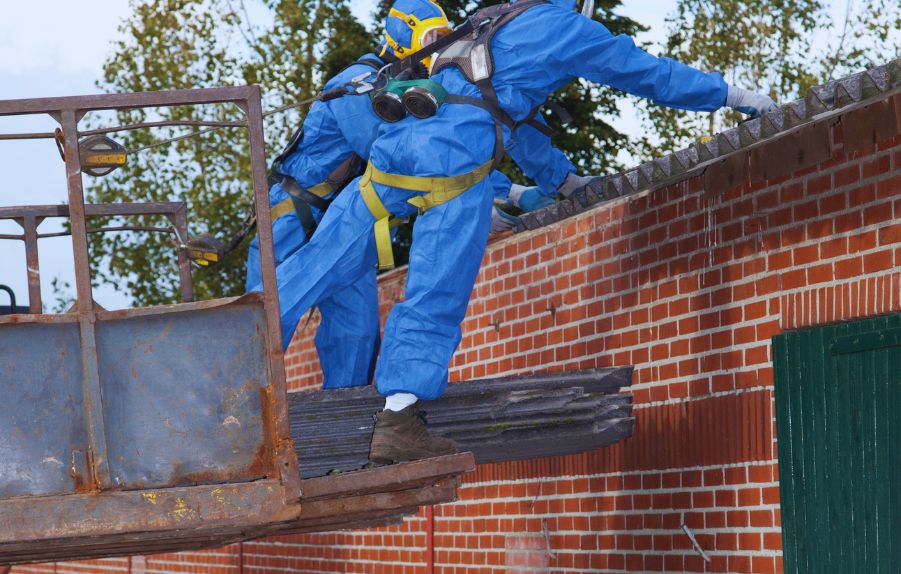
- Containment Measures: Professionals use protective clothing, seal the area, and negative air pressure systems to prevent fibres from spreading.
- Avoid DIY Removal: Attempting removal yourself is extremely risky and can result in health hazards and legal penalties.
Professional removal ensures both the safety of your household and compliance with regulations.
Preventing Exposure During Renovations
Even minor bathroom work can disturb asbestos, so precautions are essential.
- Inspect Before Work: Have a professional assess the bathroom for asbestos before starting renovations or maintenance.
- Use Protective Equipment: Masks, gloves, and other protective gear reduce the risk of fibre inhalation if accidental disturbance occurs.
- Keep Surfaces Wet: Wetting surfaces before minor work can minimise airborne fibres.
- Proper Disposal: Any removed asbestos must be disposed of at an approved facility to prevent environmental contamination.
Taking these steps protects your family and anyone working in your bathroom from exposure to dangerous fibres.
Final Thoughts
Hidden asbestos in bathrooms is a common issue in older Australian homes, posing serious health risks if disturbed. Identifying potential asbestos, avoiding DIY handling, and engaging licensed professionals for testing and removal are essential steps for homeowner safety and regulatory compliance.
If you suspect asbestos in your bathroom or are planning renovations in an older property, contact our licensed asbestos removalists in Brisbane today for safe testing and removal. Safeguard your home and family while staying fully compliant with Australian safety regulations.