
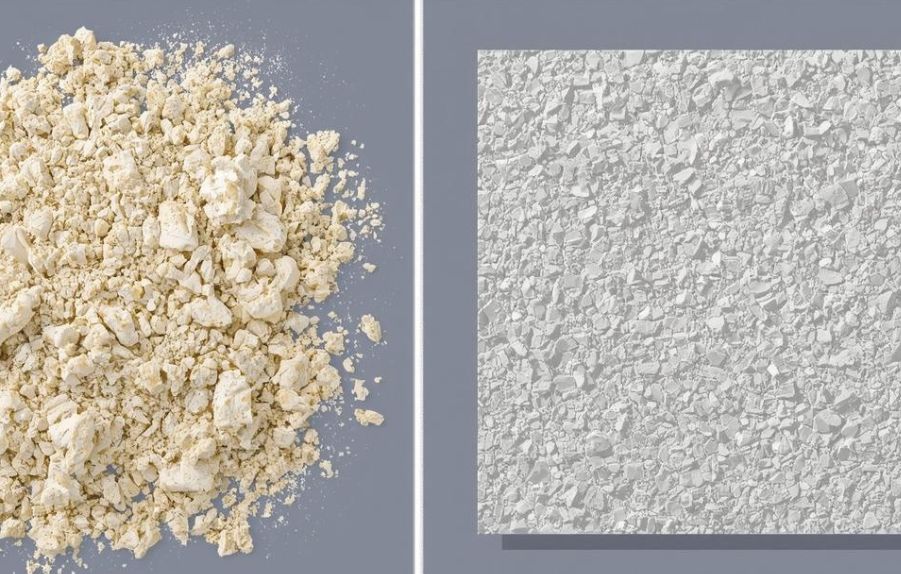
Difference Between Friable and Non-Friable Asbestos
Asbestos is a naturally occurring mineral that was widely used in construction and industrial applications throughout the 20th century due to its exceptional heat resistance, tensile strength, and insulating properties. Despite its usefulness, asbestos is extremely hazardous to human health. Exposure to asbestos fibers can lead to serious respiratory diseases, including asbestosis, lung cancer, and mesothelioma.
One of the key factors in assessing asbestos risk is understanding the difference between friable and non-friable asbestos. This distinction is crucial for handling, removal, and regulation, as it determines how likely asbestos fibers are to become airborne and pose a health risk.
What is Friable Asbestos?
Friable asbestos refers to asbestos-containing materials (ACMs) that can be easily crumbled, powdered, or reduced to dust by hand pressure. Because these materials can break apart easily, they are far more likely to release microscopic asbestos fibers into the air when disturbed. Once airborne, these fibers can be inhaled, creating a significant health hazard.
Common Characteristics of Friable Asbestos:
- Easily crumbled or powdered.
- Can release fibers into the air even with minimal disturbance.
- Often found in older buildings and industrial facilities.
- Requires extreme caution and specialised handling during removal.
Examples of Friable Asbestos Materials:
- Sprayed insulation – Often used for fireproofing ceilings, beams, or walls.
- Loose-fill insulation – Used in attics or wall cavities.
- Pipe insulation – Applied around boilers, ducts, and pipes.
- Acoustic plaster – Some older textured ceiling materials.
- Asbestos paper and millboard – Used in insulation panels or fireproofing applications.
Health Implications: Friable asbestos is particularly dangerous because fibers are easily inhaled. Even small disturbances can create airborne concentrations sufficient to cause long-term respiratory illnesses. For this reason, friable asbestos is strictly regulated, and removal often requires professional abatement procedures.
What is Non-Friable Asbestos?
Non-friable asbestos refers to asbestos-containing materials that are bonded or encapsulated in a matrix such as cement, vinyl, or plastic, making them more resistant to crumbling or releasing fibers. These materials are generally safer if left undisturbed because the asbestos fibers are locked within a solid substance.
Common Characteristics of Non-Friable Asbestos:
- Cannot be easily crumbled by hand.
- Fibers are less likely to become airborne if intact.
- Safer to handle than friable asbestos if undamaged.
- Still hazardous if cut, drilled, or damaged.
Examples of Non-Friable Asbestos Materials:
- Asbestos cement sheets – Often used for roofing, cladding, and siding.
- Vinyl asbestos floor tiles – Used widely in older homes and commercial buildings.
- Asbestos cement pipes – Used for water or sewage systems.
- Asbestos-containing brake pads & gaskets – Used in automotive applications.
- Roof shingles or siding panels – Where asbestos is mixed with a binding material.
Health Implications: Non-friable asbestos is less likely to cause immediate airborne exposure. However, if these materials are cut, sanded, or broken, they can release fibers and become just as dangerous as friable asbestos. Therefore, proper precautions are necessary during renovations or demolition.
Key Differences Between Friable and Non-Friable Asbestos
| Feature | Friable Asbestos | Non-Friable Asbestos |
| Definition | Can be easily crumbled or powdered | Bonded in a matrix, not easily crumbled |
| Fiber Release Risk | High, fibers easily become airborne | Low if intact, but risk increases if damaged |
| Handling Requirement | Professional abatement required | Safer to handle if undisturbed, but caution required |
| Common Uses | Sprayed insulation, pipe insulation, acoustic plaster | Cement sheets, vinyl floor tiles, roofing shingles |
| Health Risk | Very high | Moderate if intact, high if damaged |
| Regulatory Concern | Highly regulated due to ease of fiber release | Regulated, but considered less dangerous than friable |
Why the Difference Friable and Non-Friable Matters
The distinction between friable and non-friable asbestos is critical for safety, health, and legal reasons:
- Health Risk Assessment: Friable asbestos is far more hazardous due to its potential to release airborne fibers. Non-friable asbestos is safer if left undisturbed but still poses risks during demolition or renovation.
- Regulatory Compliance: Many countries have strict regulations for handling friable asbestos, often requiring licensed professionals for removal. Non-friable asbestos may have more lenient handling rules but still requires careful precautions.
- Abatement Procedures: The approach to asbestos removal depends on its friability. Friable asbestos requires containment, specialized equipment, and strict safety protocols. Non-friable asbestos may sometimes be managed through encapsulation rather than full removal.
- Building Renovation and Demolition: Understanding the type of asbestos present is essential for construction and renovation projects. Misidentifying friable asbestos as non-friable could lead to dangerous fiber exposure.
Safety Measures When Dealing with Asbestos
Whether friable or non-friable, asbestos should never be handled without proper precautions. Key safety measures include:
- Professional Assessment: Hire licensed asbestos inspectors to identify and classify materials.
- Personal Protective Equipment (PPE): Use respirators, gloves, and disposable clothing when handling asbestos.
- Encapsulation: Non-friable asbestos can sometimes be sealed with a protective coating to prevent fiber release.
- Controlled Removal: Friable asbestos must be removed using specialszed containment systems to prevent fiber dispersion.
- Legal Compliance: Follow all local regulations and disposal guidelines for asbestos-containing materials.
Conclusion
Understanding the difference between friable and non-friable asbestos is essential for safety, health, and regulatory compliance. Friable asbestos is highly dangerous because it can release fibers easily, while non-friable asbestos is relatively safer if left undisturbed but can become hazardous if damaged. Proper identification, handling, and removal by trained professionals are key to preventing asbestos-related health issues.
Even though asbestos has been largely banned or restricted in many countries, older buildings still pose risks, making awareness and education about friable and non-friable asbestos as important as ever.