
Asbestos in Vermiculite Insulation: A Hidden Household Risk
Many homeowners are surprised to learn that some types of vermiculite insulation may contain asbestos. Although vermiculite itself is a naturally occurring mineral and is not hazardous on its own, some products manufactured decades ago became contaminated with asbestos during the mining process. As a result, disturbing old vermiculite insulation can release harmful asbestos fibres into the air. If you own an older home in Australia or are planning renovations, understanding the risks associated with vermiculite insulation is essential. Identifying potential asbestos before work begins can help protect your family, contractors, and anyone entering the property.
In this guide, we explain what vermiculite insulation is, why it may contain asbestos, and what homeowners should do if they discover it in their home.
What Is Vermiculite Insulation
Vermiculite is a naturally occurring mineral that expands when heated, making it lightweight and an effective insulating material. It was commonly used in Australian homes and commercial buildings for thermal and acoustic insulation.
Vermiculite insulation is most commonly found:
- In roof cavities and ceiling spaces
- Between wall cavities
- Under timber floors
- Around chimneys and fireplaces
- In some commercial and industrial buildings
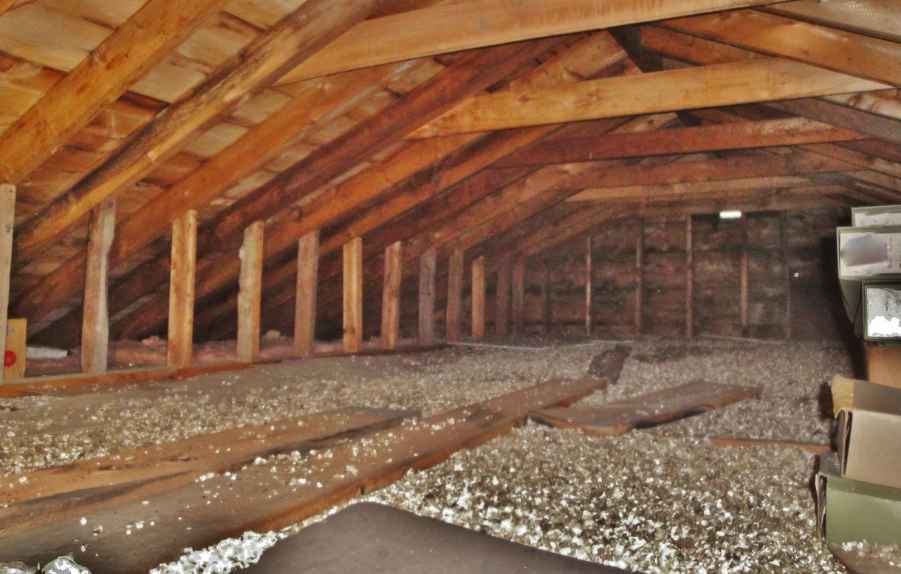
It typically appears as small, lightweight granules in shades of grey, silver, brown, or gold.
Why Can Vermiculite Contain Asbestos
While vermiculite itself does not contain asbestos, some older products were sourced from mines where asbestos naturally occurred alongside vermiculite. During the mining process, asbestos fibres contaminated the insulation, making some products hazardous.
Because it is impossible to determine whether vermiculite contains asbestos simply by looking at it, laboratory testing is required to confirm whether asbestos is present. If the origin of the insulation is unknown, it should always be treated as though it may contain asbestos until testing confirms otherwise.
Why Vermiculite Becomes a Risk
Vermiculite insulation often remains undisturbed inside ceiling cavities for many years. In this condition, it may present little immediate risk.
However, problems arise when the insulation is disturbed during:
- Home renovations
- Roof replacements
- Electrical work
- Air conditioning installations
- Ceiling repairs
- Demolition projects
Disturbing contaminated vermiculite can release microscopic asbestos fibres into the air, where they may be inhaled by occupants or tradespeople.
How to Tell If You Have Vermiculite Insulation
It can be difficult to identify vermiculite insulation without professional experience, but there are some common signs.
Your home may contain vermiculite insulation if:
- It was built or insulated several decades ago
- Loose granular insulation is present in the roof cavity
- The insulation has a pebble-like appearance
- The material ranges from silver-gold to brown in colour
- There are no records showing the insulation has been replaced
Even if these signs are present, only accredited laboratory testing can determine whether asbestos is contained within the material.
What Should You Do If You Find Vermiculite
If you discover suspected vermiculite insulation, avoid disturbing it.
Do not:
- Sweep or vacuum the material
- Move or remove the insulation
- Enter the roof cavity unnecessarily
- Allow contractors to disturb the material without assessment
Instead, arrange professional asbestos testing before carrying out any renovation or maintenance work. A qualified asbestos professional can safely collect samples using controlled methods that minimise fibre release before sending them to an accredited laboratory for analysis.
What Happens If Asbestos Is Confirmed
If testing confirms asbestos contamination, professional management is essential.
Depending on the condition of the insulation and your renovation plans, licensed asbestos professionals may recommend:
- Leaving the insulation undisturbed and monitoring its condition
- Encapsulating or sealing affected areas where appropriate
- Safely removing the contaminated insulation
- Packaging and transporting asbestos waste
- Disposing of the material at an approved facility
Every situation is different, so the most appropriate solution will depend on the condition of the insulation and the planned use of the property.
Why Professional Testing Is Important
Because asbestos fibres are invisible to the naked eye, visual inspections alone cannot determine whether vermiculite is safe.
Professional asbestos testing provides:
- Accurate laboratory analysis
- Safe sample collection
- Reduced health risks
- Compliance with Queensland regulations
- Clear recommendations for managing the material
Testing before renovations can prevent unexpected delays, reduce health risks, and help ensure work proceeds safely.
Final Thoughts
Vermiculite insulation can be a hidden household risk in older Australian homes because some products were contaminated with asbestos during the mining process. Although the insulation may appear harmless, disturbing it without proper assessment can release hazardous asbestos fibres into the air. If you suspect your property contains vermiculite insulation, the safest approach is to arrange professional asbestos testing before carrying out any renovation, maintenance, or demolition work. Early identification helps protect your family, contractors, and your investment while ensuring compliance with Queensland safety requirements.
Our experienced team provides professional asbestos inspections, vermiculite testing, asbestos removal, and compliant disposal services throughout Brisbane. Whether you’re renovating an older home, purchasing a property, or concerned about insulation in your roof cavity, we can safely assess the material and recommend the most appropriate solution. Contact us today for expert advice and a competitive quote for vermiculite asbestos removal in Brisbane.