
What Is Asbestos and Why Is It Dangerous?
Asbestos is a term many people have heard before, yet few truly understand what it is and why it is considered hazardous. Over the years, asbestos has been a controversial material because of its widespread use in construction, manufacturing, and various household products. This guide will help you understand asbestos, its types, why it’s dangerous, how it affects health, and what steps you can take to stay safe.
Understanding Asbestos
Asbestos is a naturally occurring mineral that has been used for thousands of years due to its remarkable properties. Specifically, it is a group of silicate minerals made of thin, fibrous crystals. These fibers are strong, resistant to heat, fire, and chemicals, and they do not conduct electricity. Because of these qualities, asbestos was once considered a “miracle material” and was commonly used in industries ranging from construction to shipbuilding.
Historically, asbestos appeared in products such as insulation materials, roofing shingles, cement, floor tiles, and even textiles. Its durability and resistance to fire made it invaluable for workplaces requiring fireproofing or thermal insulation. For example, homes built before the 1980s often contain asbestos in ceilings, walls, or flooring. Similarly, older industrial buildings may have asbestos in pipes, boilers, and insulation.
Types of Asbestos
To fully understand asbestos, it’s essential to know that there are six recognised types of asbestos. Each type has distinct characteristics and varying levels of health risk:
a. Chrysotile (White Asbestos)
Chrysotile is the most commonly used form of asbestos. Its fibers are curly and flexible, making it ideal for use in textiles, roofing materials, and brake linings. Despite its widespread use, chrysotile is dangerous when inhaled, causing serious lung diseases.
b. Amosite (Brown Asbestos)
Amosite has straight, brittle fibers. It was mainly used in insulation boards and cement sheets. Studies show that amosite is highly hazardous and more strongly linked to lung disease than chrysotile.
c. Crocidolite (Blue Asbestos)
Known as blue asbestos, crocidolite has extremely thin and sharp fibers. It is highly resistant to heat but also considered the most dangerous type of asbestos. Crocidolite exposure is strongly associated with mesothelioma, a deadly form of cancer.
d. Tremolite, Anthophyllite, and Actinolite
These types of asbestos were not widely used commercially but may still appear as contaminants in talc products, insulation, and vermiculite. They carry similar health risks as other forms of asbestos when inhaled.
Transitioning from understanding its types, it’s important to consider why asbestos has been banned or heavily regulated in many countries.
Why Asbestos Is Dangerous
Asbestos is dangerous primarily due to its fibrous structure. When disturbed, tiny asbestos fibers become airborne and can be inhaled or ingested without being noticed. Once in the body, these fibers are sharp and resistant to breakdown. Over time, they can lodge in tissues, causing inflammation, scarring, and even cancer.
Here are the main reasons asbestos is considered dangerous:
1. Inhalation Risk
When asbestos-containing materials are damaged or disturbed such as during renovations, demolitions, or natural wear and tear, fibers can float in the air. Breathing in these fibers is the primary way people are exposed to asbestos. Since the fibers are microscopic, they can bypass the body’s natural defenses and reach deep into the lungs.
2. Long Latency Period
One of the most alarming aspects of asbestos exposure is the long latency period between exposure and disease onset. Symptoms of asbestos-related illnesses may not appear until 10 to 50 years after initial exposure. This delayed effect makes it challenging to detect and treat asbestos-related conditions early.
3. Serious Health Effects
Asbestos exposure is linked to multiple serious diseases. These include:
- Asbestosis: A chronic lung condition caused by inhaling asbestos fibers, leading to scarring of lung tissue, difficulty breathing, and reduced lung function.
- Lung Cancer: Asbestos fibers can cause mutations in lung cells, increasing the risk of cancer, especially among smokers.
- Mesothelioma: A rare but aggressive cancer affecting the lining of the lungs, chest, or abdomen. Mesothelioma is almost exclusively caused by asbestos exposure.
- Other Cancers: Some studies indicate asbestos exposure may also increase the risk of cancers of the larynx, ovaries, and gastrointestinal tract.
4. Environmental Persistence
Asbestos does not decompose naturally. If it is improperly disposed of, it can remain in the environment for decades, posing a risk to workers and the general public. For example, older buildings with asbestos insulation or roofing that is not properly maintained can release fibers into the surrounding area.
Transitioning from understanding the dangers, let’s explore common places where asbestos is found to help identify potential risks in homes and workplaces.
Common Sources of Asbestos Exposure
Asbestos can be found in many products, especially in buildings and industrial materials constructed before the 1980s. Common sources include:
1. Construction Materials
- Insulation for pipes, boilers, and ducts
- Cement sheets and pipes
- Roofing shingles and tiles
- Floor tiles, linoleum, and adhesives
2. Household Products
- Textiles such as fireproof gloves and blankets
- Appliances with heat-resistant components
- Hair dryers, ironing boards, and toasters (older models)
3. Industrial Products
- Brake pads and linings
- Gaskets and seals
- Shipbuilding materials
- Spray-on fireproofing
4. Contaminated Soil or Mining Sites
Former asbestos mines or areas where asbestos-containing materials were improperly disposed of can pose long-term environmental hazards.
How to Identify Asbestos
Identifying asbestos can be tricky because it is often mixed with other materials. Only trained professionals can safely detect asbestos. However, some signs may indicate its presence:
- Buildings constructed before the 1980s may contain asbestos in insulation, ceiling tiles, or flooring.
- Materials that are fibrous, brittle, or powdery could potentially contain asbestos.
- Product labels, construction records, or safety datasheets may indicate asbestos content.
It is important not to disturb any suspected asbestos-containing materials. Doing so can release fibers into the air, significantly increasing the risk of exposure.
Safety Measures for Asbestos
Because asbestos exposure is highly dangerous, safety is paramount. Here are key steps for managing asbestos risks:
1. Do Not Disturb
If you suspect asbestos in your home or workplace, avoid touching, drilling, cutting, or sanding the material. Even minor disturbances can release fibers into the air.
2. Hire Professionals
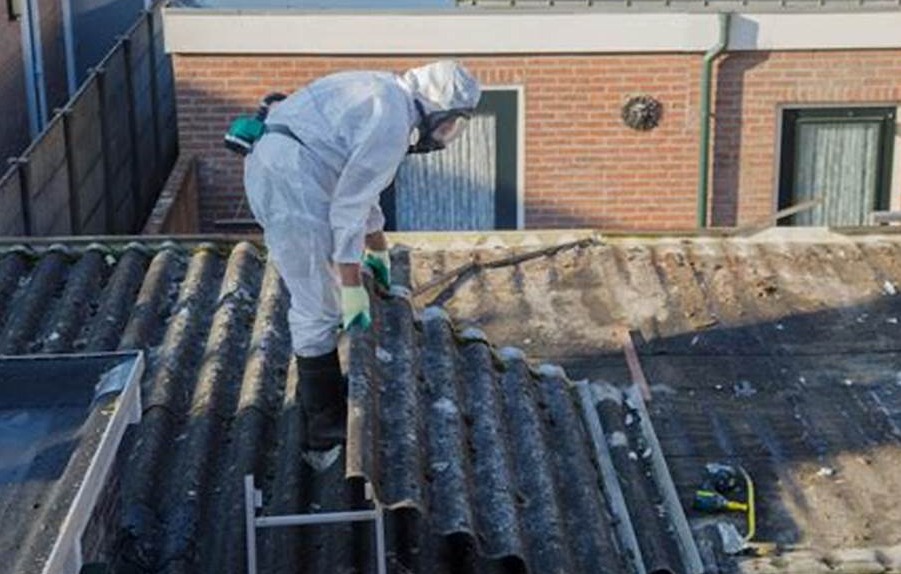
Licensed asbestos removal contractors are trained to safely handle, remove, and dispose of asbestos-containing materials. They use protective clothing, respirators, and specialised equipment to minimise risk.
3. Use Protective Equipment
In cases where minor work must be done around asbestos-containing materials, workers should use appropriate personal protective equipment (PPE), including respirators, gloves, and disposable suits.
4. Follow Legal Regulations
Many countries have strict regulations for asbestos handling, removal, and disposal. Compliance with these laws not only protects health but also ensures that property owners and businesses avoid legal consequences.
5. Regular Inspection
If your property contains asbestos, periodic inspections by certified professionals can ensure the materials remain intact and do not pose a health hazard.
Debunking Common Myths About Asbestos
Several misconceptions about asbestos can lead to unsafe behavior. Understanding the facts is essential:
- Myth: Asbestos is only dangerous if you touch it.
Fact: Asbestos is most hazardous when inhaled. Even intact materials can release fibers if they deteriorate.
- Myth: Modern homes do not have asbestos.
Fact: Homes built after the 1980s may still contain asbestos in older insulation, tiles, or roofing materials used during renovations.
- Myth: Removing asbestos yourself is safe if you wear a mask.
Fact: DIY removal is extremely dangerous. Proper removal requires specialised equipment and procedures to prevent fiber release.
Asbestos Regulations Around the World
Due to its dangers, asbestos is heavily regulated or banned in many countries:
- Australia: Australia has one of the strictest asbestos regulations. All forms of asbestos are banned, and strict guidelines exist for safe removal.
- United States: Asbestos use is highly regulated by the Environmental Protection Agency (EPA) and the Occupational Safety and Health Administration (OSHA).
- European Union: Most EU countries have banned asbestos entirely, and strict rules govern its removal and disposal.
These regulations aim to protect workers, homeowners, and the general public from the long-term hazards of asbestos exposure.
Conclusion
Asbestos may have been celebrated for its durability and fire-resistant properties, but its health risks far outweigh its benefits. From construction materials to household products, asbestos exposure can occur in many settings, and its effects are often delayed, severe, and sometimes fatal.
Understanding asbestos, its types, and its dangers is the first step in protecting yourself, your family, and your workplace. Always prioritise safety by avoiding disturbance of suspected materials, hiring certified professionals, and complying with local regulations. By taking the right precautions, you can minimise your risk of exposure and ensure a safer environment.
In summary, asbestos is more than just a material, it is a serious health hazard that demands respect, knowledge, and careful handling. Awareness and prevention are your best defenses.